XUYE EQUIPMENT
- Language Switching
Search the whole station
Bamboo activated carbon is a type of high-quality activated carbon made from natural bamboo. Due to bamboo’s fast growth, abundant biomass, and high cellulose content, it is an ideal raw material for activated carbon production. Bamboo activated carbon has excellent adsorption properties, a high specific surface area, and a well-developed pore structure, making it widely used in water purification, air filtration, industrial decolorization, and medical applications.
The Bamboo Activated Carbon Making Machine is a specialized industrial equipment designed to convert bamboo into activated carbon efficiently. As environmental awareness increases globally, bamboo activated carbon production has become a key industry for both sustainable resource utilization and environmental protection.
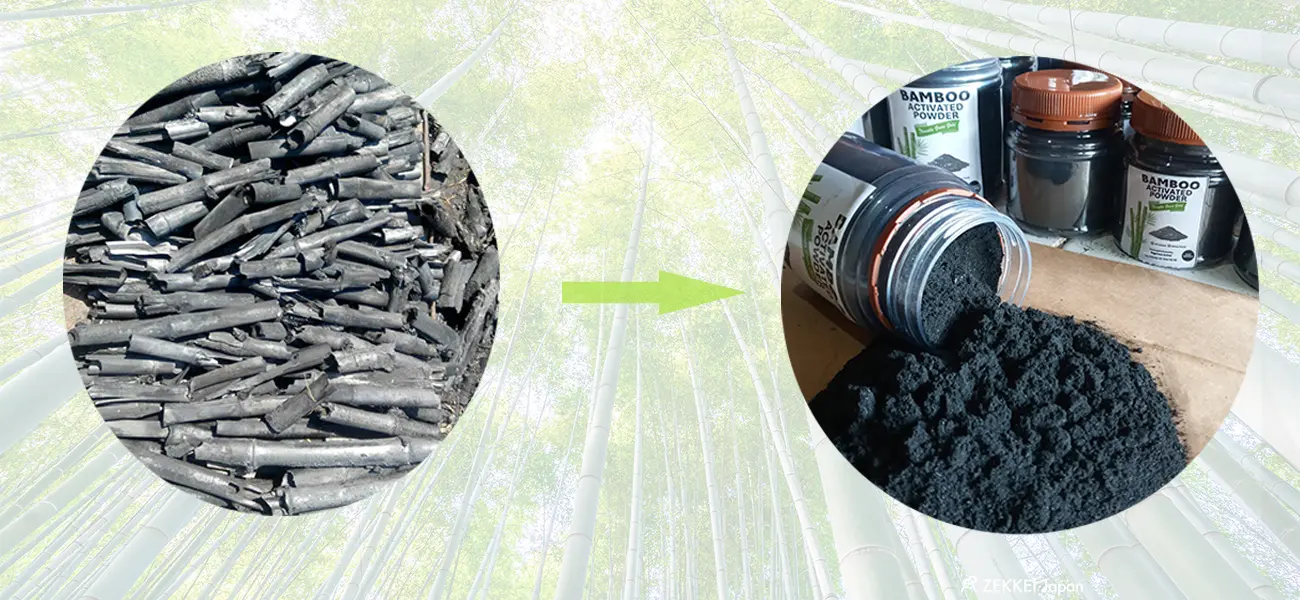
A Bamboo Activated Carbon Making Machine is a set of industrial equipment that processes raw bamboo into activated carbon. Unlike other biomass, bamboo provides a renewable and eco-friendly raw material with a naturally dense structure, making the final carbon highly durable and effective.
The machine performs two main processes:
The resulting bamboo activated carbon can be produced in granular, powdered, or pellet forms depending on industrial requirements.
The primary raw material is natural bamboo, harvested from plantations or forests. Bamboo varieties commonly used include:
Other raw materials may include bamboo residues or bamboo sawdust, which reduce waste and lower production costs.
The bamboo is cut into small sections and crushed to a uniform particle size. Drying reduces moisture content to below 10%, preparing the bamboo for efficient carbonization.
The crushed bamboo is loaded into a carbonization furnace or rotary kiln. In an oxygen-free environment, it is heated to 400–700°C. Volatile compounds are removed, leaving behind a carbon-rich bamboo char.
Bamboo char undergoes activation, which can be performed using:
The activated carbon is screened to ensure uniform particle sizes and, if needed, formed into granules or pellets.
The final product is cooled, stabilized, and packed for storage or transport.
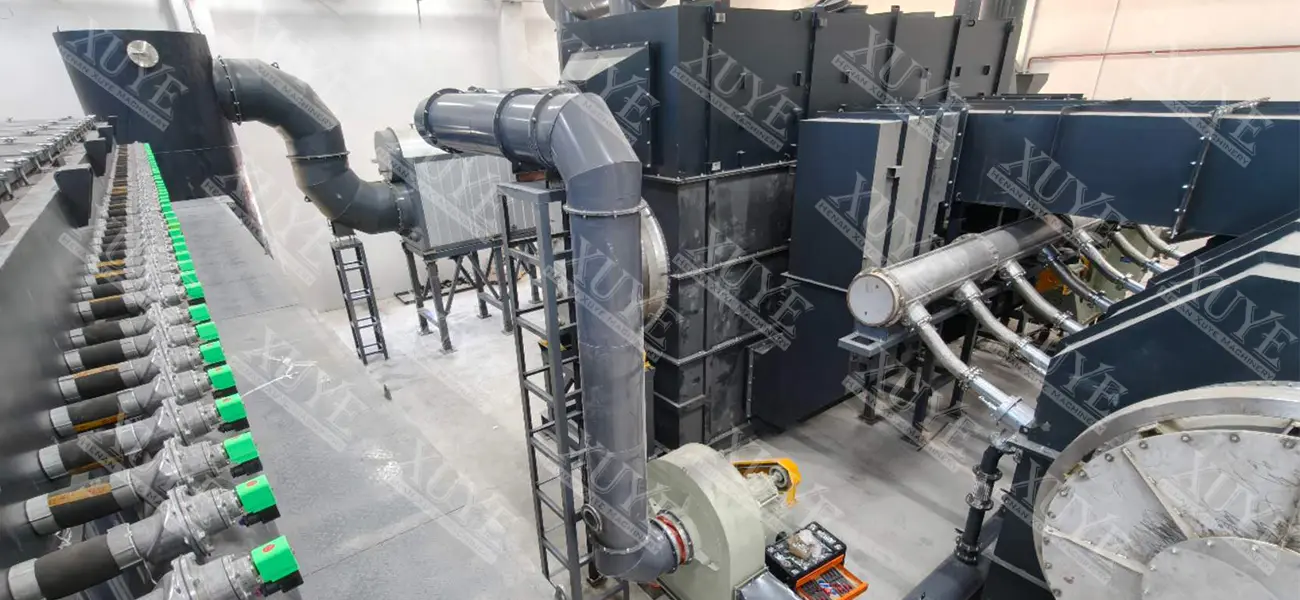
A standard bamboo activated carbon production line includes:
The global bamboo activated carbon market is expanding rapidly due to:
Key growth regions include Asia-Pacific, Europe, and North America, with Asia being the largest producer and consumer due to abundant bamboo resources.
| capacity | 5-8t/d | 8-10t/d | 10-12t/d | 12-15t/d | 15-20t/d |
| Dryer model | HG-800 | HG-1000 | HG-1200 | HG-1500 | HG-1800 |
| Dryer power | 3kw | 4kw | 7.5kw | 15kw | 22kw |
| continuous carbonization furnace model | TH-1500 | TH-1500 | TH-1800 | TH-2000 | TH-2000 |
| Carbonization temperature | 600-850℃ | ||||
| Fixed carbon content after carbonization | 70-80% | ||||
| Carbonization furnace drum material | 309S/310S | 309S/310S | 309S/310S | 309S/310S | 309S/310S |
| Activation furnace model | HN-5 | HN-8 | HN-10 | HN-12 | HN-15 |
| Activation furnace power | 15kw | 22kw | 30kw | 37kw | 37kw |
| Activation furnace chamber material | QQ345+nano thermal insulation board+refractory | ||||
| Activation temperature | 850-950℃ | ||||
| Activator | Water vapor or Phosphoric acid (customized according to customer requirements, equipment design will be updated) | ||||
| Activation time | 1-2h | ||||
| Cooling machine model | GTL-1004 | GTL-1204 | GTL-1206 | GTL-1504 | GTL-1506 |
| Temperature after cooling | ≤40℃ | ||||
| Activated carbon crusher model | SGP-400 | SGP-400 | SGP-600 | SGP-800 | SGP-800 |
| Activated carbon finished product size | 4-60mesh | ||||
| Activated carbon iodine value | 800-1300mg/g | ||||
| Activated carbon specific surface area | 800-1500m²/g | ||||
| Activated carbon strength | ≥95 | ||||
| CTC | ≥60% | ||||
| Filling density | 0.45-0.55g/cm3 | ||||
| Activated carbon ash | ≤3% | ||||