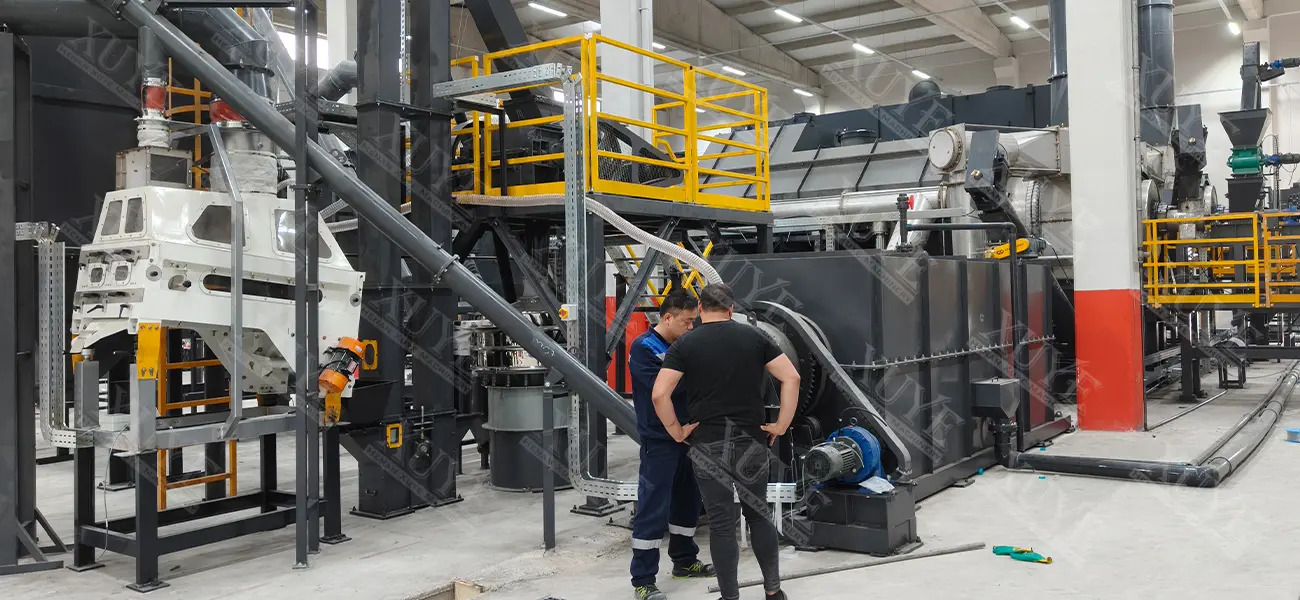
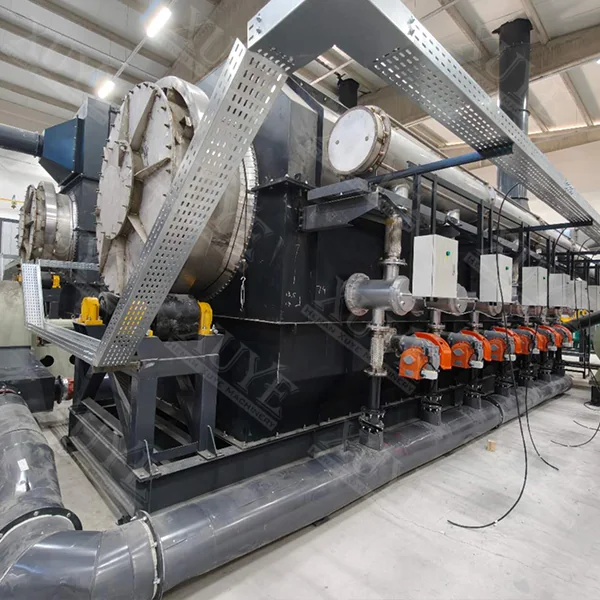
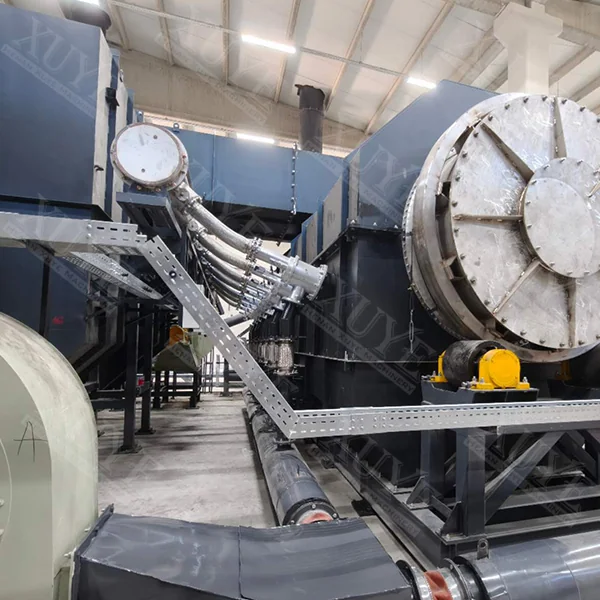
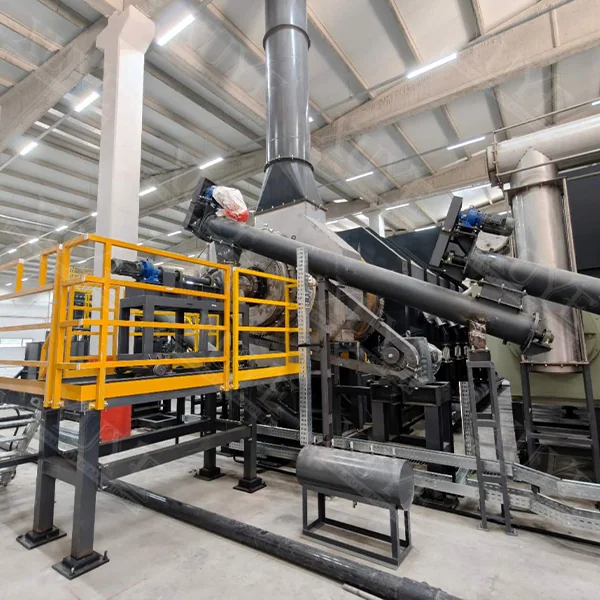
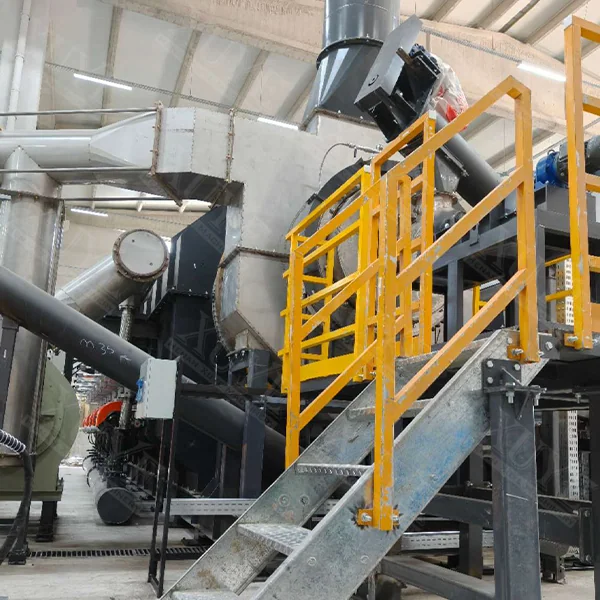
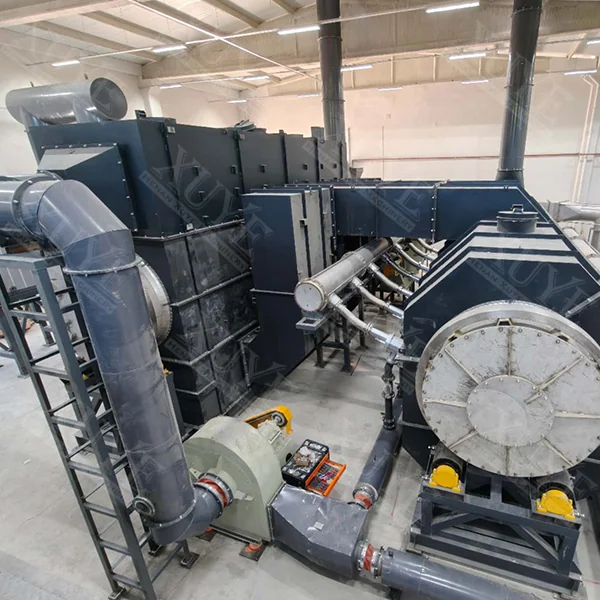
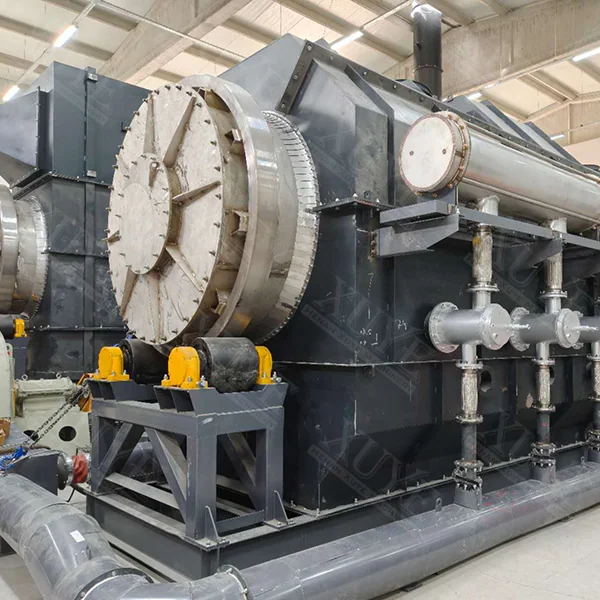
Activated Carbon Making Machine is specialized equipment used to convert raw materials such as wood, coconut shell, nutshells, coal, and bamboo into high-quality activated carbon. Due to its large surface area, developed pore structure, and excellent adsorption performance, activated carbon is widely applied in water treatment, air purification, food decolorization, gold recovery, chemical industry, and pharmaceuticals.
With the increasing global demand for activated carbon, the use of modern activated carbon equipment not only greatly improves production efficiency but also achieves energy saving and emission reduction, fully meeting the trend of green and sustainable development.
2. Production Principle of Activated Carbon
The manufacturing process of activated carbon mainly includes carbonization and activation stages:
Carbonization Stage The raw materials are heated in a low-oxygen or oxygen-free environment at 400℃–700℃, undergoing pyrolysis to remove moisture and volatile substances, forming initial carbonized material (char).
Activation Stage The carbonized material is further treated at 800℃–1100℃ with steam, carbon dioxide, or chemical agents to remove non-carbon impurities and develop a porous structure, resulting in activated carbon with strong adsorption ability.
The activated carbon making machine is designed based on these two fundamental processes.
3. Main Components of Activated Carbon Making Machine
A complete activated carbon production line usually consists of the following systems:
Raw Material Processing System
Crusher: Crushes wood, coconut shell, nutshell, coal, etc. into suitable particle sizes.
Dryer: Removes moisture to improve carbonization efficiency.
Other agricultural & forestry wastes (palm shell, rice husk, etc.)
6. Applications of Activated Carbon
Water Treatment – Removes chlorine, color, odor, and organic pollutants from drinking and industrial water.
Air Purification – Used in air purifiers, industrial exhaust treatment, and automobile emission control.
Gold Recovery – Widely applied in mining CIP/CIL processes for gold adsorption.
Food & Beverage – Decolorization and purification of sugar, wine, edible oils.
Medical & Chemical Industry – Used for pharmaceuticals, solvent recovery, and gas separation.
7. Market Prospects
With stricter environmental regulations, higher standards for wastewater treatment, and growing demand for air purification, the global activated carbon market is expanding rapidly. In the next 5–10 years, activated carbon making machines will see significant growth opportunities in Asia, Africa, and South America.
 XUYE EQUIPMENT