 XUYE 设备


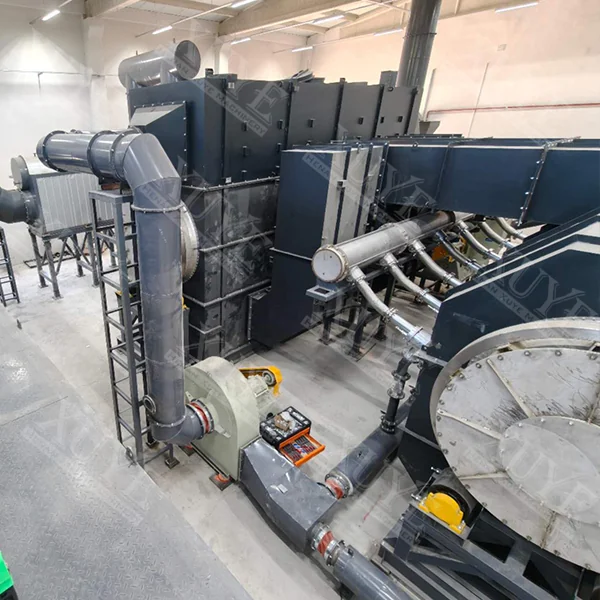
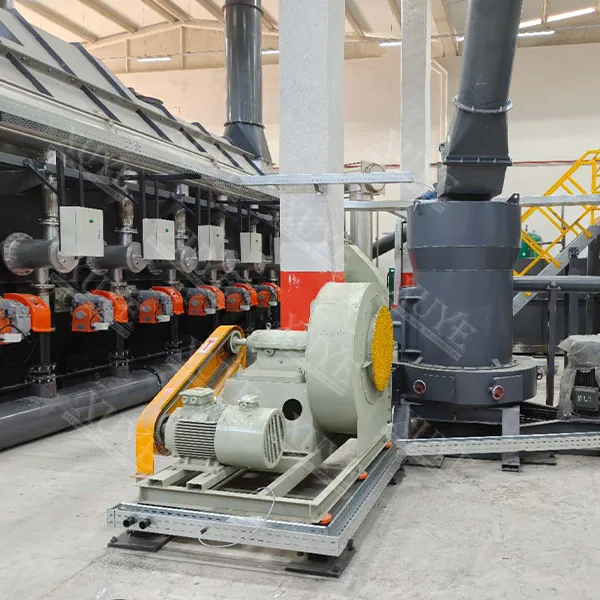
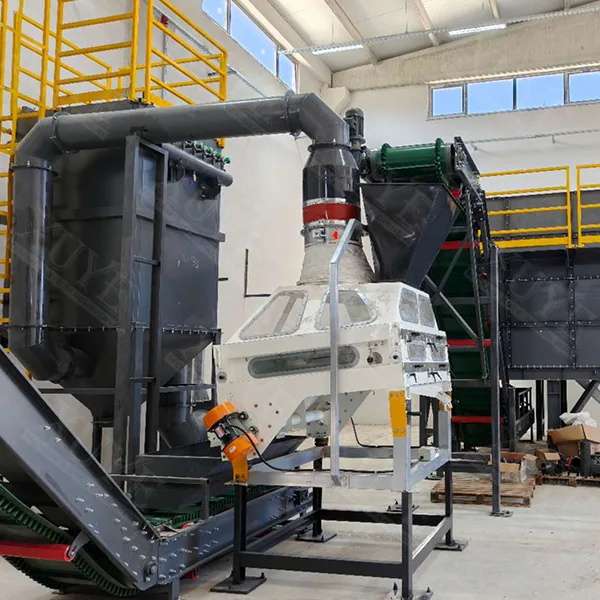
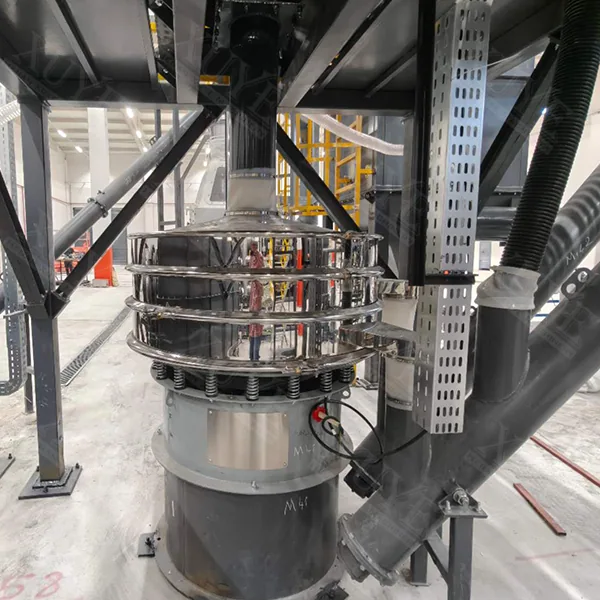
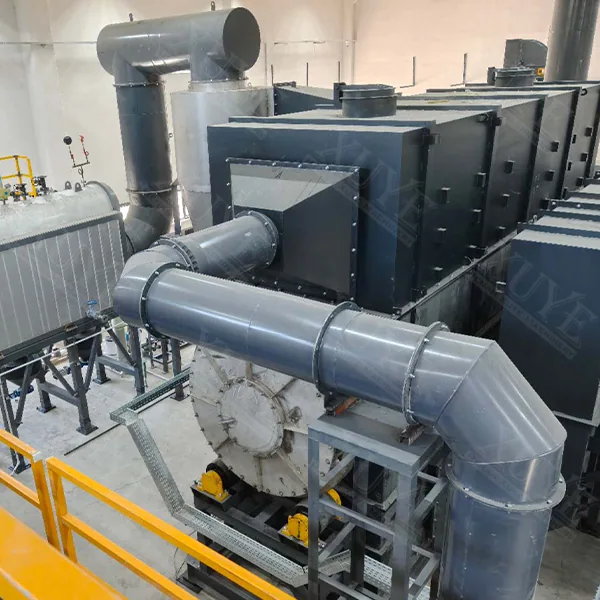
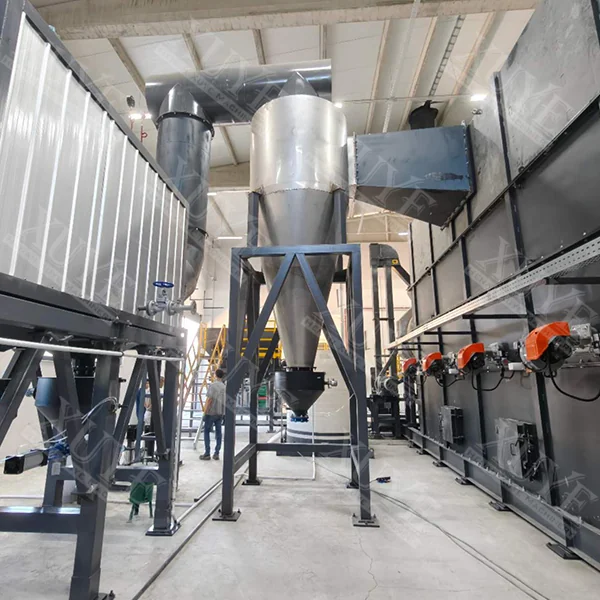
Coal based activated carbon rotary kiln
- 尺寸根据产能定制
- 工作温度800°C-1100°C
- 原材料Coconut shells, sawdust, coal,etc
- 激活方法物理方法
- 启动器水蒸气
- 自动控制系统PLC
- 加热方法External heating
Coal based activated carbon rotary kiln
Coal-based activated carbon is a high-quality carbon material produced from coal through carbonization and activation processes. Compared to biomass-based activated carbon, coal-based carbon offers higher hardness, larger pore volume, and excellent adsorption performance.
"(《世界人权宣言》) Coal-Based Activated Carbon Rotary Kiln is a key industrial equipment used for large-scale production. With continuous processing, precise temperature control, and high output efficiency, it has become the preferred equipment for producing granular and powdered activated carbon in the chemical, water treatment, and air purification industries.

What is a Coal-Based Activated Carbon Rotary Kiln?
A Coal-Based Activated Carbon Rotary Kiln is an industrial furnace designed to convert coal into activated carbon through high-temperature carbonization and activation. The rotary kiln structure ensures uniform heating and continuous rotation of the coal material, leading to consistent quality and enhanced adsorption properties.
主要功能
- Continuous operation suitable for large-scale production
- High-temperature processing (700–900°C)
- Efficient gas and heat utilization
- Suitable for granular, pellet, or powdered activated carbon
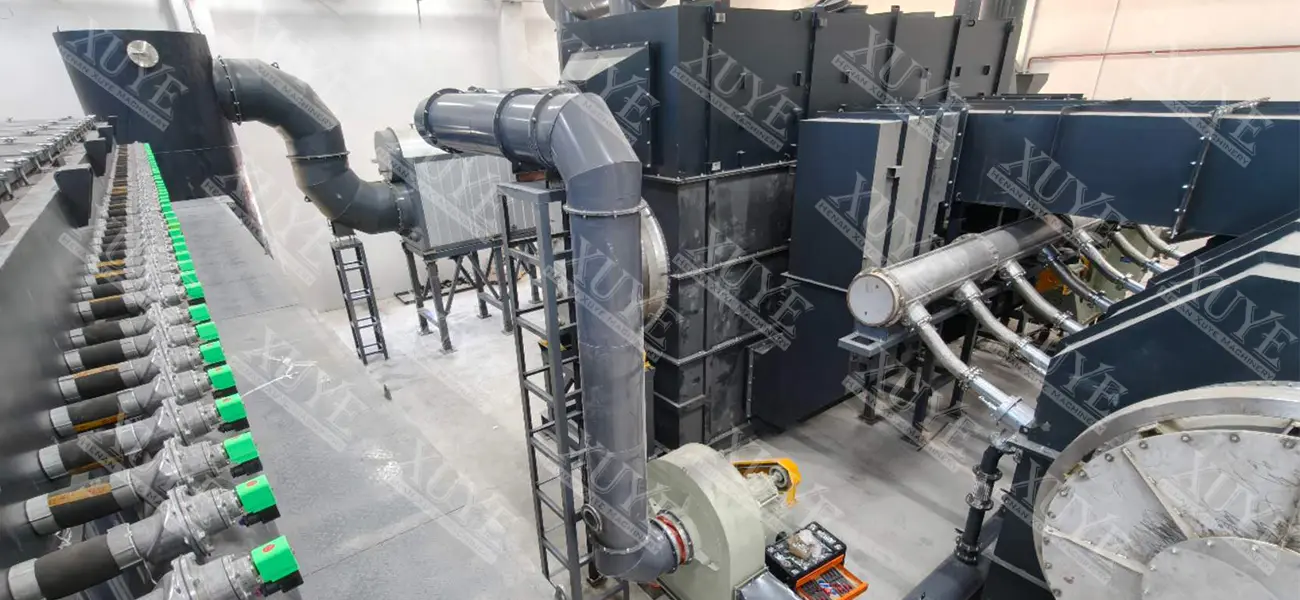
Raw Materials for Coal-Based Activated Carbon
The primary raw materials are bituminous coal, anthracite coal, and lignite. These materials are chosen based on their carbon content, ash level, and volatile matter. Pre-treatment steps include:
- Crushing to uniform particle size
- Screening to remove impurities
- Drying to reduce moisture content
Proper raw material selection ensures high-quality activated carbon with optimal adsorption and mechanical strength.
Working Principle of Coal-Based Activated Carbon Rotary Kiln
Step 1: Feeding and Preheating
Crushed coal is fed into the rotary kiln. Preheating ensures uniform temperature distribution and prepares the coal for carbonization.
Step 2: Carbonization
Inside the kiln, the coal is heated in an oxygen-limited environment. Volatile compounds are removed, leaving carbon-rich char. The rotary motion ensures even exposure to heat, improving carbon yield and reducing defects.
Step 3: Activation
- Steam Activation: High-temperature steam reacts with carbon, forming micropores.
- Chemical Activation: Chemical agents like KOH or H₃PO₄ are used for higher surface area.
Step 4: Cooling and Screening
Activated carbon is cooled to prevent oxidation, then screened to achieve uniform granule size. Optional crushing and granulation can produce pellets or powder.
Step 5: Packaging
The final product is packaged for storage or shipment.
Structure of a Coal-Based Activated Carbon Rotary Kiln
A typical rotary kiln production line includes:
- Coal Crusher – reduces particle size
- 烘干机 – removes moisture
- Rotary Carbonization Kiln – main furnace for high-temperature processing
- 活化炉 – steam or chemical activation unit
- Cooling System – prevents oxidation and preserves quality
- Screening & Granulation System – ensures uniform particle size
- Dust Collection System – minimizes environmental impact
- Packaging Unit – stores finished products
Advantages of Coal-Based Activated Carbon Rotary Kiln
- High Efficiency and Continuous Operation
- Rotary design allows continuous material rotation, reducing carbonization time.
- High output for industrial-scale production.
- Uniform Heating
- Ensures even carbonization and consistent pore structure.
- Energy Saving
- Heat recovery and flue gas recycling reduce fuel consumption.
- Environmental Compliance
- Advanced dust collection and gas treatment systems meet emission standards.
- Product Quality
- High mechanical strength, uniform pore structure, and large surface area.
Applications of Coal-Based Activated Carbon
1. Water Treatment
- Municipal water purification
- Industrial wastewater treatment
- Removal of chlorine, heavy metals, and organic contaminants
2. Air Purification
- VOC adsorption in chemical factories
- Air purification for offices and households
3. Industrial Uses
- Precious metal recovery (gold, silver)
- Catalyst carrier in chemical reactions
- Gas purification in industrial processes
4. Food and Pharmaceutical Applications
- Sugar decolorization
- Alcohol and beverage purification
- Detoxification in medical applications
How to Choose the Right Coal-Based Activated Carbon Rotary Kiln
- Production Capacity – select based on plant scale.
- Coal Quality – bituminous or anthracite with low ash content is preferred.
- 能源效率 – choose rotary kilns with heat recovery systems.
- 自动化水平 – PLC control reduces labor and ensures consistent quality.
- Manufacturer Experience – reliable suppliers provide after-sales support.
- Compliance – ensure the kiln meets environmental and safety regulations.
Market Outlook for Coal-Based Activated Carbon
- The global coal-based activated carbon market is growing steadily, driven by water purification, air pollution control, and industrial applications.
- Asia-Pacific, especially China and India, is the largest market due to high coal availability and industrial demand.
- Increasing regulations for clean water and emissions are boosting demand for high-quality activated carbon.
- Granular coal-based activated carbon, produced by rotary kilns, is preferred for continuous filtration systems due to durability and performance.
Coal based activated carbon rotary kiln Parameter
| 能力 | 5-8t/d | 8-10t/d | 10-12t/d | 12-15t/d | 15-20t/d |
| 烘干机型号 | HG-800 | HG-1000 | HG-1200 | HG-1500 | HG-1800 |
| 烘干机功率 | 3 千瓦 | 4 千瓦 | 7.5 千瓦 | 15 千瓦 | 22 千瓦 |
| 连续碳化炉模型 | TH-1500 | TH-1500 | TH-1800 | TH-2000 | TH-2000 |
| 碳化温度 | 600-850℃ | ||||
| 碳化后的固定碳含量 | 70-80% | ||||
| 碳化炉转鼓材料 | 309S/310S | 309S/310S | 309S/310S | 309S/310S | 309S/310S |
| 活化炉模型 | HN-5 | HN-8 | HN-10 | HN-12 | HN-15 |
| 启动炉电源 | 15 千瓦 | 22 千瓦 | 30 千瓦 | 37 千瓦 | 37 千瓦 |
| 活化炉炉膛材料 | QQ345+ 纳米隔热板+耐火材料 | ||||
| 激活温度 | 850-950℃ | ||||
| 启动器 | 水蒸气或磷酸(根据客户要求定制,设备设计将更新) | ||||
| 启动时间 | 1-2h | ||||
| 冷却机型号 | GTL-1004 | GTL-1204 | GTL-1206 | GTL-1504 | GTL-1506 |
| 冷却后的温度 | ≤40℃ | ||||
| 活性炭破碎机模型 | SGP-400 | SGP-400 | SGP-600 | SGP-800 | SGP-800 |
| 活性炭成品尺寸 | 4-60 目 | ||||
| 活性炭碘值 | 800-1300 毫克/克 | ||||
| 活性炭比表面积 | 800-1500m²/g | ||||
| 活性炭强度 | ≥95 | ||||
| 反恐委员会 | ≥60% | ||||
| 填充密度 | 0.45-0.55g/cm3 | ||||
| 活性炭灰 | ≤3% | ||||
Coal based activated carbon rotary kiln Video

