 XUYE 设备


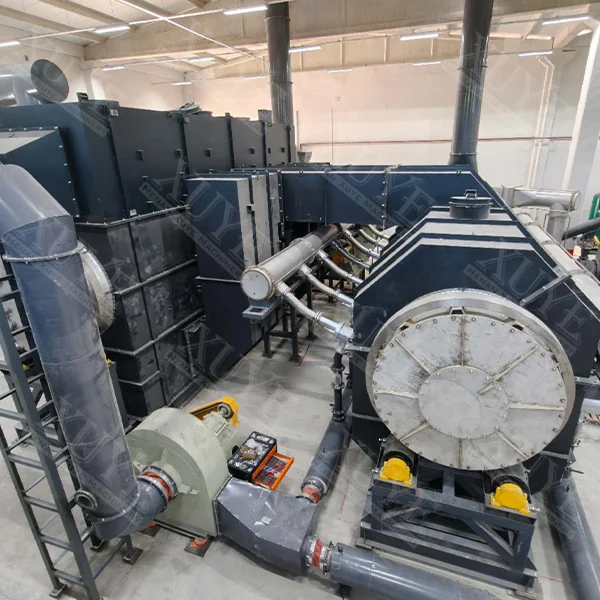
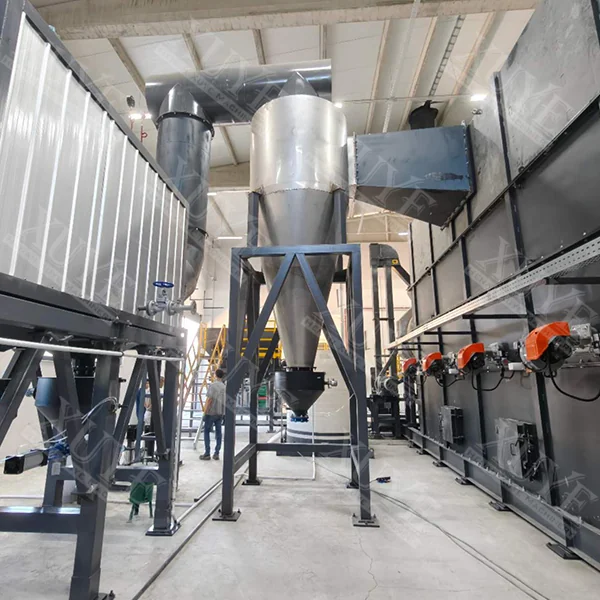
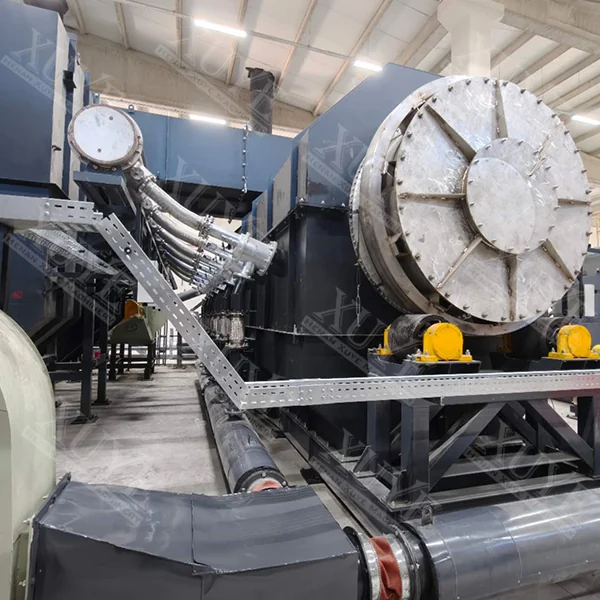
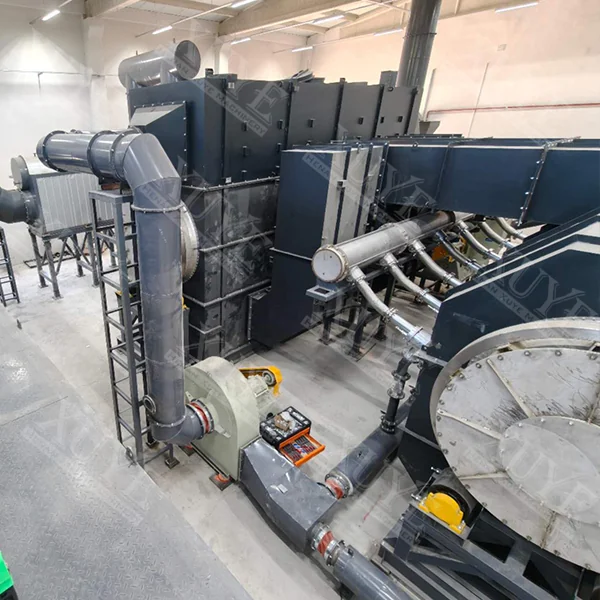
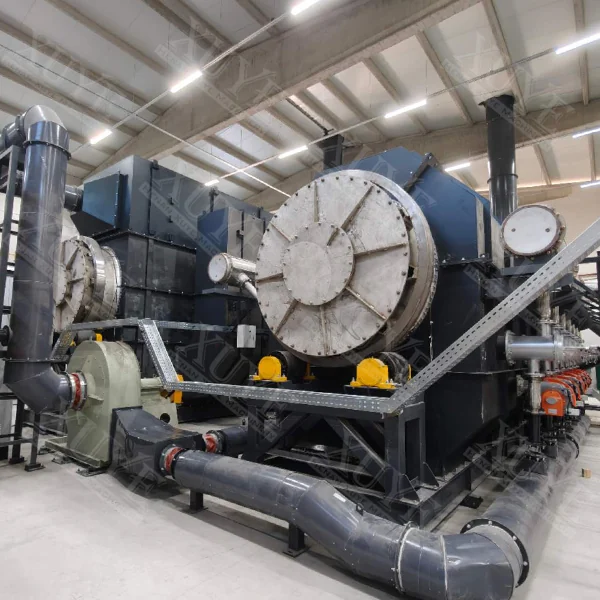
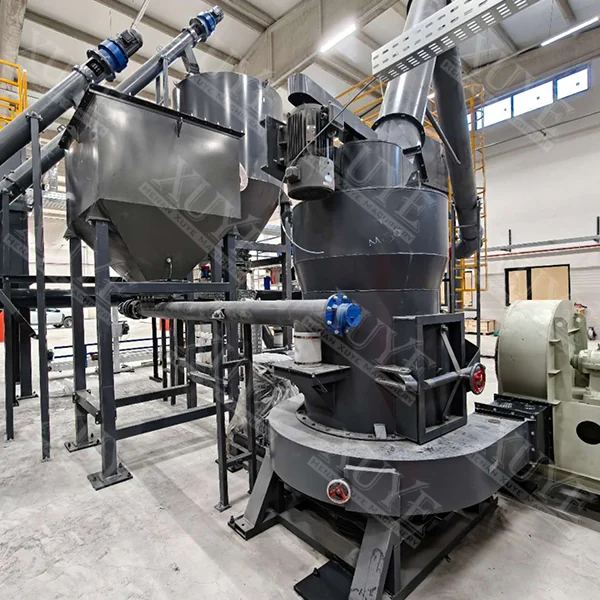
活性炭制造机
- 尺寸根据产能定制
- 原材料Coconut shells, sawdust, coal,etc
- 工作温度800°C-1100°C
- 激活方法物理方法
- 启动器水蒸气
- 自动控制系统PLC
- 加热方法内部供暖
活性炭制造机
Activated carbon, also known as activated charcoal, is a versatile material with an extremely large surface area and exceptional adsorption properties. This unique substance has become indispensable in numerous industries, including water treatment, air purification, medical applications, food processing, and chemical manufacturing. Driven by increasingly stringent environmental regulations and growing awareness of purification technologies, the global activated carbon market continues to expand rapidly.
At Xuye Machinery, at the heart of this industry, we produce advanced activated carbon manufacturing equipment that transforms raw materials into high-performance activated carbon. This equipment has evolved from simple batch production processes to highly automated continuous production systems, offering unprecedented efficiency and product quality. Transforming raw materials such as coconut shells, wood, coal, and agricultural waste into valuable activated carbon requires precise control of temperature, atmosphere, and process parameters—all achieved through advanced machinery.
This equipment does more than simply increase production efficiency. It enables manufacturers to produce products with customized pore structures and surface properties for specific applications. Whether producing powdered activated carbon for water treatment facilities or granular activated carbon for air purification systems, the right equipment is crucial to product performance and economic viability.
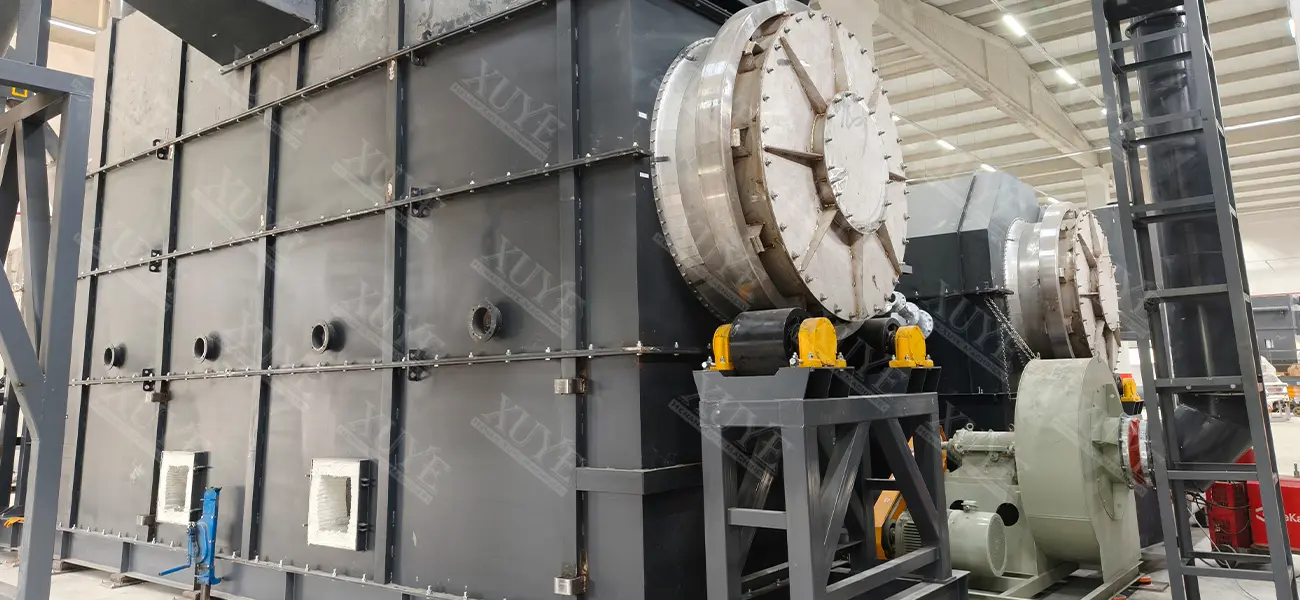
Working Principle of Activated Charcoal Making Machine
The operation of an activated carbon machine generally involves three main stages:
1. Raw Material Preparation
Coconut shells, fruit shells, wood chips, bamboo, or coal are first crushed into suitable particle sizes using a crusher. This ensures efficient carbonization and activation.
2. Carbonization Process
The prepared raw materials are fed into a carbonization furnace in an oxygen-free or low-oxygen environment. Through high-temperature pyrolysis, volatile components are removed, leaving behind primary charcoal. Typical equipment includes continuous carbonization furnaces, rotary carbonization kilns, or tube furnaces.
3. Activation Treatment
The primary charcoal is then processed in an activation furnace, using either of the following methods:
- Steam Activation: Water vapor reacts with carbon at high temperature, forming a porous structure.
- Chemical Activation: Chemical reagents such as zinc chloride or phosphoric acid are introduced to increase porosity and surface area.
The activated carbon produced has a highly developed microporous structure and superior adsorption capability, making it suitable for multiple applications.
Main Types of Activated Charcoal Making Machines
1. Batch Carbonization Furnace
Suitable for small-scale production. It has a simple structure and low investment cost but limited capacity.
2. Continuous Carbonization Furnace
Allows continuous feeding and discharging. Ideal for large-scale activated carbon production, featuring higher efficiency and lower energy consumption.
3. Rotary Kiln for Activated Carbon
A rotary kiln ensures uniform heating by continuously rotating the raw material inside the drum. It is widely applied in industrial-scale production lines.
4. Tube Furnace
Mainly used in laboratories or pilot-scale testing. It offers precise temperature control and is suitable for studying carbon properties and pore structures.
Structure of an Activated Charcoal Making Machine
A standard activated carbon production line generally includes:
- 破碎机 – reduces raw materials to proper particle size.
- 碳化炉 – carries out pyrolysis under low oxygen conditions.
- Cooling System – prevents oxidation of carbon, ensuring product quality.
- 活化炉 – performs steam or chemical activation.
- Dust Removal Device – cleans exhaust gas and ensures environmental compliance.
- Conveying System – supports automation and improves efficiency.
Applications of Activated Charcoal Making Machine
- 水处理 – removes organic compounds, heavy metals, and odors from water.
- 空气净化 – absorbs industrial exhaust gases and household air pollutants.
- Medical Industry – produces medicinal activated carbon for detoxification and gastrointestinal treatments.
- Food Industry – used for decolorization and deodorization, such as sugar refining.
- Metallurgy – employed in the extraction of precious metals.
Advantages of Activated Charcoal Making Machine
- High Efficiency & Energy Saving – adopts heat recovery technology to lower energy use.
- Eco-Friendly – advanced gas purification system reduces harmful emissions.
- 高度自动化 – PLC control minimizes manual labor costs.
- 广泛的原材料适应性 – suitable for multiple biomass sources.
- Superior Product Quality – delivers uniform pore distribution and larger surface area.
How to Choose the Right Activated Charcoal Making Machine
When selecting equipment, consider the following factors:
- Production Capacity – choose based on your plant scale.
- Raw Material Type – different raw materials require different carbonization and activation parameters.
- Energy Consumption & Costs – opt for energy-efficient systems.
- 自动化水平 – select between fully automatic or semi-automatic based on labor availability.
- Manufacturer Reputation – reliable suppliers provide better after-sales support and machine performance.
Market Prospects of Activated Charcoal Making Machine
According to industry research, the global activated carbon market is expected to maintain a compound annual growth rate (CAGR) of over 7% in the coming years.
- Asia-Pacific Region: The demand for water purification and air treatment is driving rapid growth.
- Raw Material Advantage: Countries like China, India, and Southeast Asia have abundant coconut shells, bamboo, and agricultural waste, which are ideal raw materials for activated carbon production.
This favorable environment creates significant opportunities for activated charcoal making machine manufacturers and investors.
Investment Benefits of Activated Charcoal Making Machine
- High Demand & Stable Market – essential material for environmental protection.
- High Profit Margin – low-cost raw materials with high-value products.
- Government Policy Support – stricter environmental laws promote activated carbon applications.
- Export Potential – strong demand in Europe, North America, and other global markets.
Activated Charcoal Making Machine Parameter
| 能力 | 5-8t/d | 8-10t/d | 10-12t/d | 12-15t/d | 15-20t/d |
| 烘干机型号 | HG-800 | HG-1000 | HG-1200 | HG-1500 | HG-1800 |
| 烘干机功率 | 3 千瓦 | 4 千瓦 | 7.5 千瓦 | 15 千瓦 | 22 千瓦 |
| 连续碳化炉模型 | TH-1500 | TH-1500 | TH-1800 | TH-2000 | TH-2000 |
| 碳化温度 | 600-850℃ | ||||
| 碳化后的固定碳含量 | 70-80% | ||||
| 碳化炉转鼓材料 | 309S/310S | 309S/310S | 309S/310S | 309S/310S | 309S/310S |
| 活化炉模型 | HN-5 | HN-8 | HN-10 | HN-12 | HN-15 |
| 启动炉电源 | 15 千瓦 | 22 千瓦 | 30 千瓦 | 37 千瓦 | 37 千瓦 |
| 活化炉炉膛材料 | QQ345+ 纳米隔热板+耐火材料 | ||||
| 激活温度 | 850-950℃ | ||||
| 启动器 | 水蒸气或磷酸(根据客户要求定制,设备设计将更新) | ||||
| 启动时间 | 1-2h | ||||
| 冷却机型号 | GTL-1004 | GTL-1204 | GTL-1206 | GTL-1504 | GTL-1506 |
| 冷却后的温度 | ≤40℃ | ||||
| 活性炭破碎机模型 | SGP-400 | SGP-400 | SGP-600 | SGP-800 | SGP-800 |
| 活性炭成品尺寸 | 4-60 目 | ||||
| 活性炭碘值 | 800-1300 毫克/克 | ||||
| 活性炭比表面积 | 800-1500m²/g | ||||
| 活性炭强度 | ≥95 | ||||
| 反恐委员会 | ≥60% | ||||
| 填充密度 | 0.45-0.55g/cm3 | ||||
| 活性炭灰 | ≤3% | ||||
Activated Charcoal Making Machine Video

