 XUYE EKİPMANLARI


Palm kernel shell activated carbon kiln
- SizeCustomized according to capacity
- Raw materialCoconut shells, sawdust, coal,etc
- Operating temperature800°C-1100°C
- Activation methodPhysical Method
- ActivatorWater vapor
- Automated Control SystemPLC
- Heating methodInternal heating
Activated charcoal making machine
Palm kernel shell (PKS) activated carbon is a high-quality activated carbon produced from the hard shells of palm kernels. Due to its high carbon content, dense structure, and excellent hardness, PKS activated carbon is widely used in water treatment, air purification, food and beverage processing, and chemical industries.
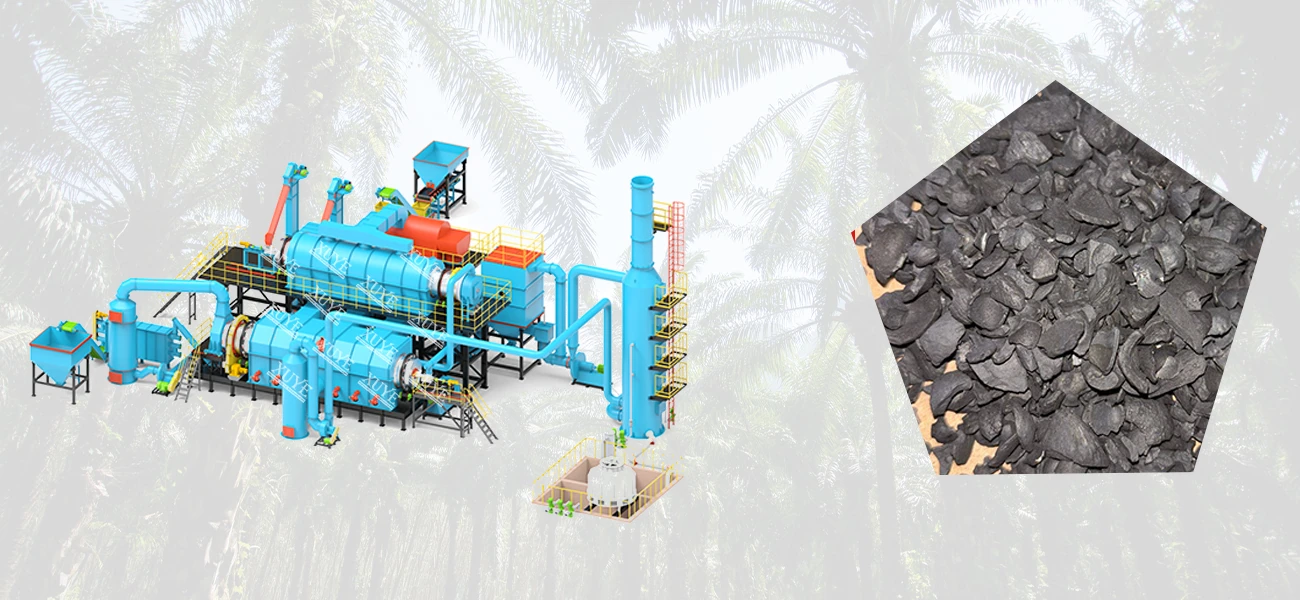
The Palm Kernel Shell Activated Carbon Kiln is the core equipment for converting raw palm kernel shells into activated carbon. By integrating carbonization and activation processes, it produces granular or pelletized activated carbon with high adsorption capacity, uniform pore structure, and long service life.
What is a Palm Kernel Shell Activated Carbon Kiln?
A Palm Kernel Shell Activated Carbon Kiln is industrial equipment designed to carbonize and activate palm kernel shells efficiently. The kiln provides controlled heating, uniform temperature distribution, and continuous operation for large-scale production.
Main features:
- Continuous or batch operation depending on plant scale
- High temperature carbonization (400–700°C)
- Steam or chemical activation options
- Production of granular or pellet PKS activated carbon
Raw Materials for PKS Activated Carbon
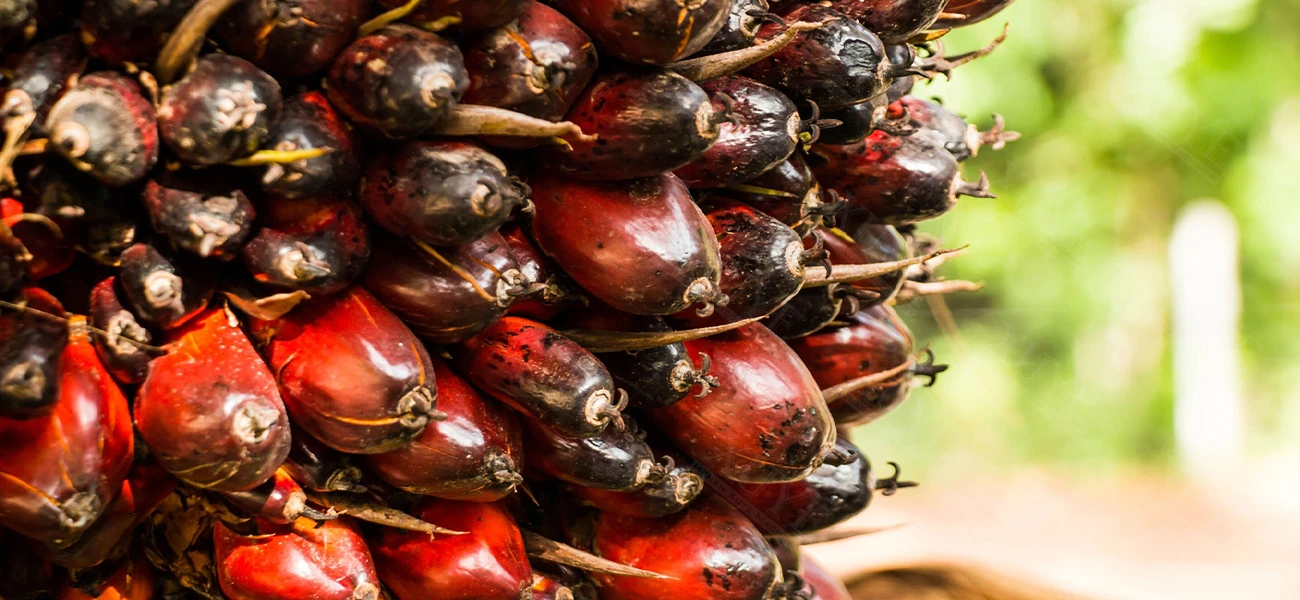
The primary raw material is palm kernel shells, sourced from palm oil processing plants. Advantages include:
- High carbon content (approximately 50–55%)
- Hard and dense structure for durable activated carbon
- Renewable and low-cost agricultural residue
Pre-treatment includes crushing and drying to ensure consistent particle size and moisture content below 10%.
Working Principle of Palm Kernel Shell Activated Carbon Kiln
Step 1: Crushing and Drying
Raw palm kernel shells are crushed to uniform sizes and dried to remove moisture. This step ensures efficient carbonization and reduces energy consumption.
Step 2: Carbonization
Crushed shells are loaded into a carbonization kiln. Under low-oxygen conditions, they are heated to 400–700°C. Volatile compounds are released, leaving behind carbon-rich char. Rotary kilns or batch furnaces may be used depending on production capacity.
Step 3: Activation
- Steam Activation: High-temperature steam reacts with carbon char to form micropores.
- Chemical Activation: Chemicals like phosphoric acid (H₃PO₄) or potassium hydroxide (KOH) are used to enhance pore structure and adsorption capacity.
Step 4: Cooling and Screening
Activated carbon is cooled to prevent oxidation and screened to achieve uniform particle size. Optional granulation produces pellets or cylindrical carbon.
Step 5: Packaging
Finished PKS activated carbon is packed for storage and shipment.
Structure of a Palm Kernel Shell Activated Carbon Kiln
A standard PKS activated carbon production line includes:
- Crusher & Grinder – reduces particle size of palm kernel shells
- Dryer – removes moisture
- Carbonization Kiln – performs high-temperature pyrolysis
- Activation Furnace – steam or chemical activation system
- Cooling System – prevents oxidation and ensures product stability
- Screening & Granulation Unit – produces uniform granular or pellet carbon
- Dust Collection System – ensures environmental compliance
- Packaging System – stores and prepares product for shipment
Applications of Palm Kernel Shell Activated Carbon
- Water Treatment
- Municipal and industrial water purification
- Removal of chlorine, organics, and heavy metals
- Air Purification
- Industrial gas treatment
- VOC removal in factories
- Household and commercial air filtration
- Food and Beverage Industry
- Sugar decolorization
- Alcohol and beverage purification
- Medical and Pharmaceutical Uses
- Detoxification products
- Pharmaceutical filtration
- Industrial Applications
- Precious metal recovery
- Catalyst support
- Chemical purification
Advantages of Palm Kernel Shell Activated Carbon Kiln
- High-Quality Product – dense structure, uniform pore distribution, and high adsorption
- Continuous and Efficient Operation – rotary kilns allow large-scale production
- Energy Efficient – heat recovery and optimized design reduce fuel consumption
- Eco-Friendly – dust and exhaust gas treatment systems reduce environmental impact
- Customizable Output – granular or pellet form with adjustable sizes
- Long Lifespan – durable design for continuous industrial use
How to Choose the Right PKS Activated Carbon Kiln
- Production Capacity – choose based on plant scale and market demand
- Raw Material Availability – ensure consistent supply of palm kernel shells
- Energy Consumption – select kilns with heat recovery systems
- Automation Level – fully automatic lines reduce labor costs and ensure consistent quality
- Manufacturer Reputation – experienced suppliers provide better after-sales support
- Compliance – machine must meet environmental and safety standards
Palm Kernel Shell Activated Carbon Kiln Parameter
| Item | Model | Capacity | Size |
| Rotary activationFurnace(internal heat type) | Φ1.5m×12m | 1-2t/d | 16000*2300*4000mm |
| Φ1.5m×15m | 2-3t/d | 20000*2700*4500mm | |
| Φ2.0m×18m | 4-5t/d | 22000*3000*4500mm | |
| Φ2.6m×20m | 5-8t/d | 26000*3600*5000mm |
Palm Kernel Shell Activated Carbon Kiln Video

