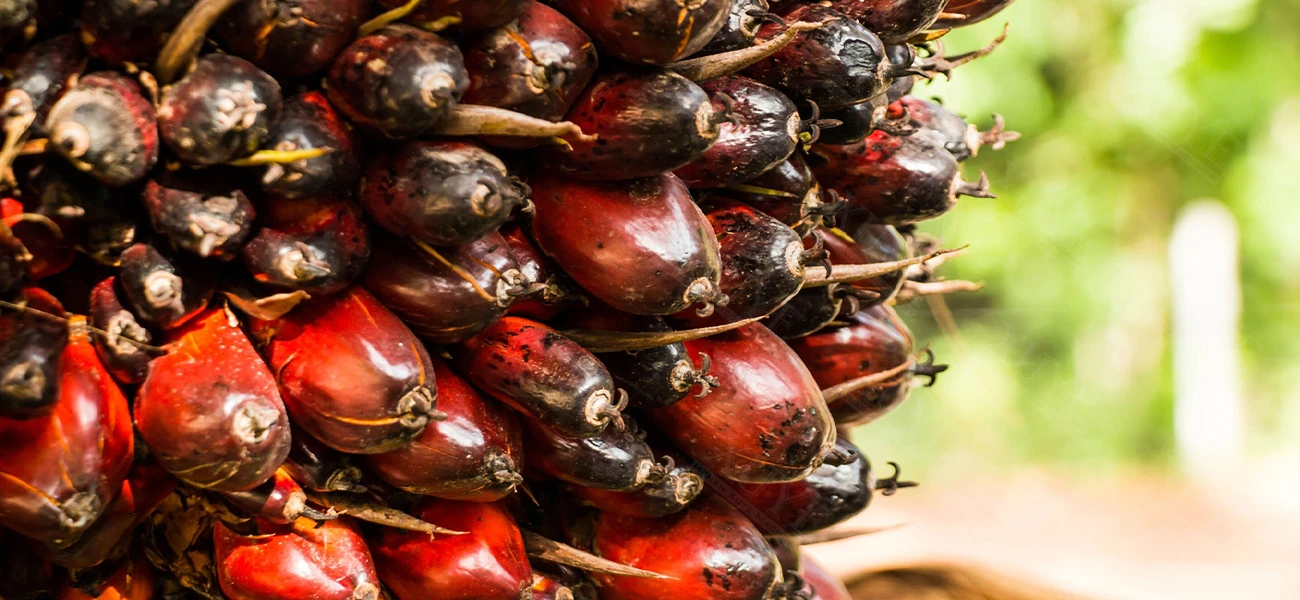
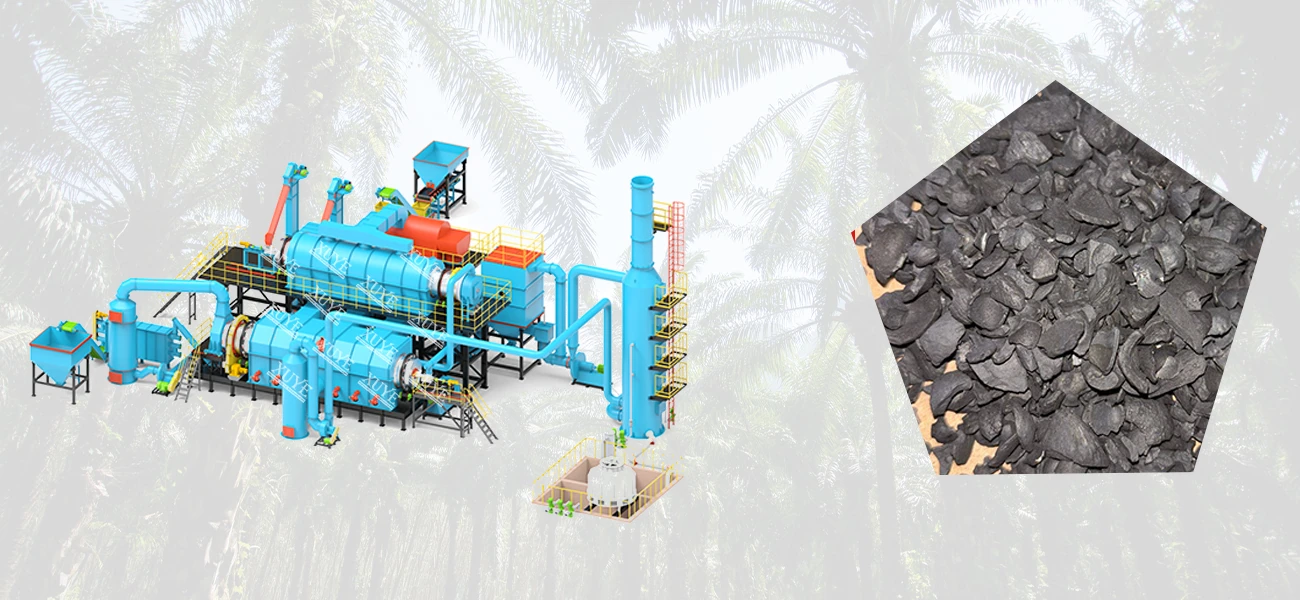
Palm kernel shell (PKS) activated carbon is a high-quality activated carbon produced from the hard shells of palm kernels. Due to its high carbon content, dense structure, and excellent hardness, PKS activated carbon is widely used in water treatment, air purification, food and beverage processing, and chemical industries.
The Palm Kernel Shell Activated Carbon Kiln is the core equipment for converting raw palm kernel shells into activated carbon. By integrating carbonization and activation processes, it produces granular or pelletized activated carbon with high adsorption capacity, uniform pore structure, and long service life.
What is a Palm Kernel Shell Activated Carbon Kiln?
A Palm Kernel Shell Activated Carbon Kiln is industrial equipment designed to carbonize and activate palm kernel shells efficiently. The kiln provides controlled heating, uniform temperature distribution, and continuous operation for large-scale production.
Main features:
Continuous or batch operation depending on plant scale
High temperature carbonization (400–700°C)
Steam or chemical activation options
Production of granular or pellet PKS activated carbon
Raw Materials for PKS Activated Carbon
The primary raw material is palm kernel shells, sourced from palm oil processing plants. Advantages include:
High carbon content (approximately 50–55%)
Hard and dense structure for durable activated carbon
Renewable and low-cost agricultural residue
Pre-treatment includes crushing and drying to ensure consistent particle size and moisture content below 10%.
Working Principle of Palm Kernel Shell Activated Carbon Kiln
Step 1: Crushing and Drying
Raw palm kernel shells are crushed to uniform sizes and dried to remove moisture. This step ensures efficient carbonization and reduces energy consumption.
Step 2: Carbonization
Crushed shells are loaded into a carbonization kiln. Under low-oxygen conditions, they are heated to 400–700°C. Volatile compounds are released, leaving behind carbon-rich char. Rotary kilns or batch furnaces may be used depending on production capacity.
Step 3: Activation
Steam Activation: High-temperature steam reacts with carbon char to form micropores.
Chemical Activation: Chemicals like phosphoric acid (H₃PO₄) or potassium hydroxide (KOH) are used to enhance pore structure and adsorption capacity.
Step 4: Cooling and Screening
Activated carbon is cooled to prevent oxidation and screened to achieve uniform particle size. Optional granulation produces pellets or cylindrical carbon.
Step 5: Packaging
Finished PKS activated carbon is packed for storage and shipment.
Structure of a Palm Kernel Shell Activated Carbon Kiln
A standard PKS activated carbon production line includes:
 XUYE EQUIPMENT