 PERALATAN XUYE


Biochar reactor
- UkuranDisesuaikan dengan kapasitas
- Bahan bakuHazelnut shells, almonds
- Suhu pengoperasian800°C-1100°C
- Metode aktivasiMetode Fisik
- AktivatorUap air
- Sistem Kontrol OtomatisPLC
- Metode pemanasanExternal heating
Biochar reactor
A biochar reactor is a device used to convert organic biomass—such as wood chips, agricultural residues, or garden clippings—into biochar through a process called pyrolysis. Pyrolysis is the thermal decomposition of material at high temperatures (typically between 400°C and 700°C) in an environment with limited oxygen.
The key difference between a biochar reactor and simple burning is the absence of sufficient oxygen. Instead of combusting into ash, the biomass is “baked,” releasing combustible gases and leaving behind a stable, carbon-rich solid we call biochar.
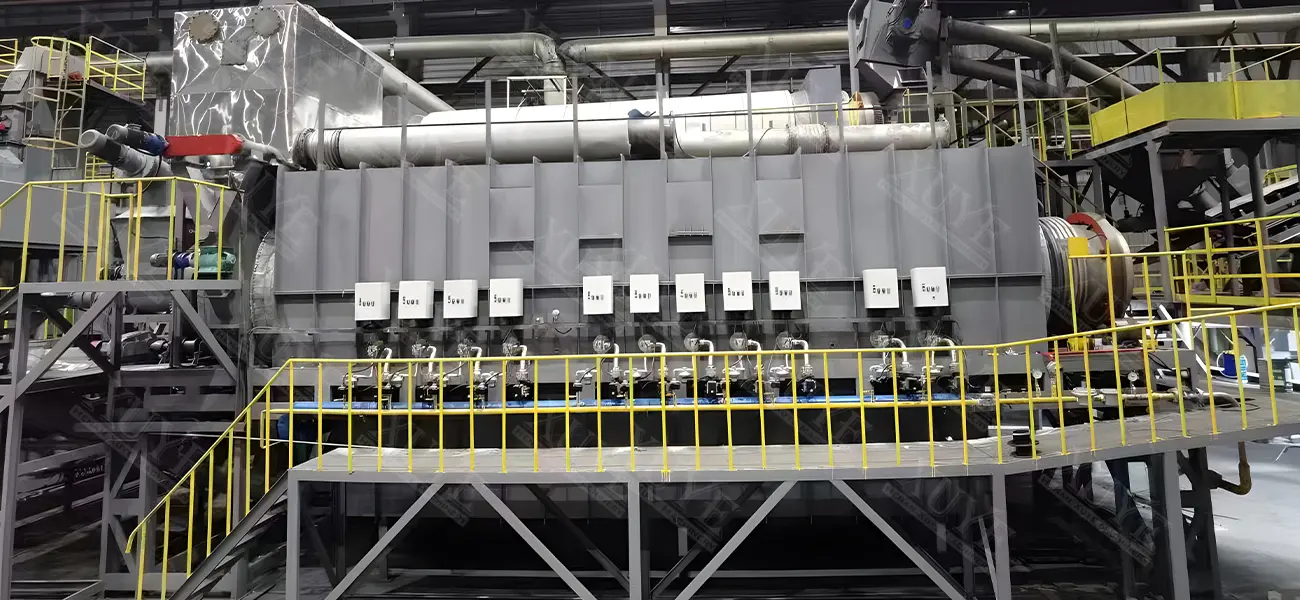
Why Use a Biochar Reactor? The Top 5 Benefits
Investing in, or building, a biochar kiln or reactor offers a multitude of environmental and agricultural advantages:
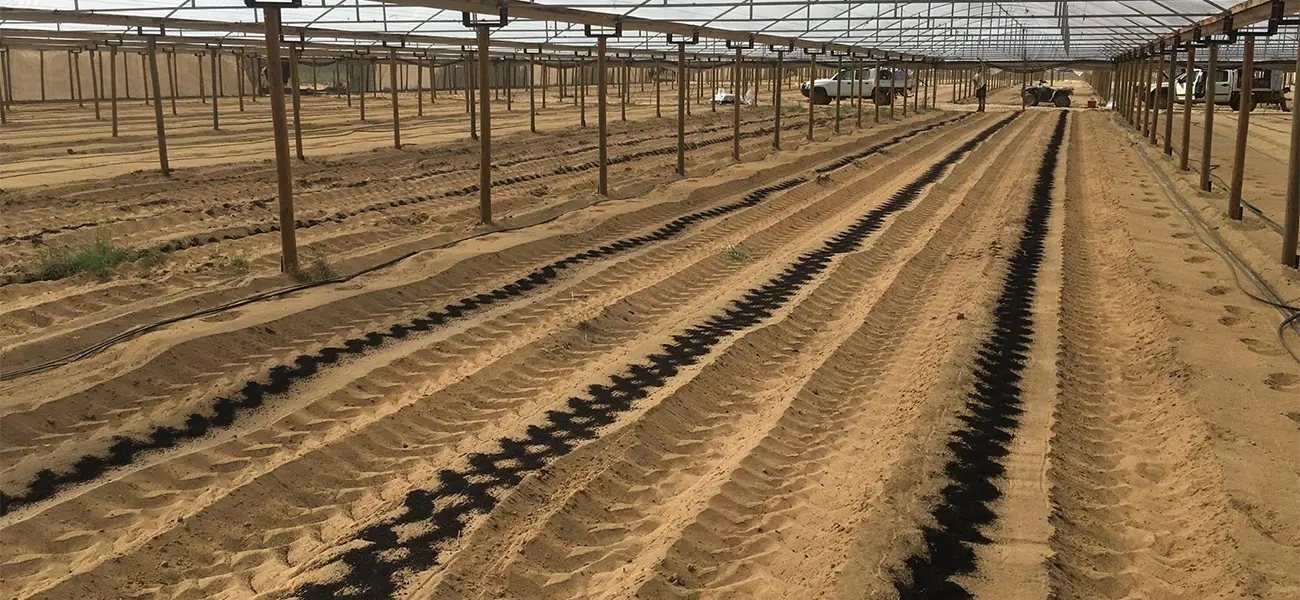
- Supercharges Soil Health: This is the most celebrated benefit. Adding biochar to soil improves its structure, increases water retention, and provides a habitat for beneficial microbes and fungi. This leads to healthier plants and reduced need for fertilizer.
- Carbon Sequestration: Biochar is a stable form of carbon that can persist in soils for hundreds to thousands of years. By converting biomass that would otherwise decompose and release CO2, a biochar production system actively removes carbon dioxide from the atmosphere, making it a powerful tool for carbon sequestration and fighting climate change.
- Sustainable Waste Management: A biochar reactor provides an elegant solution for managing biomass waste. Instead of sending yard trimmings to the landfill or creating smoky bonfires, you can transform them into a valuable product.
- Renewable Energy Production: The syngas (a mixture of hydrogen, carbon monoxide, and methane) produced during pyrolysis can be captured and used as a renewable energy source to power the process itself or for other heating applications.
- Environmental Remediation: Biochar can be used to filter water, bind pollutants, and reduce greenhouse gas emissions from soils, such as nitrous oxide.
Types of Biochar Reactors: From DIY to Industrial
Biochar reactor designs vary in complexity and scale, catering to everyone from backyard gardeners to large-scale farmers.
- Top-Lit UpDraft (TLUD) Reactor: This is one of the most popular designs for small-scale and DIY biochar production. The fire is lit at the top and burns downward, creating a clean, efficient pyrolysis zone below. It’s known for its simplicity and effectiveness.
- Retort Reactor: In this design, the biomass is placed in an inner chamber that is heated by an external fire. The gases escape from the inner chamber and are burned off externally. Retorts are highly efficient at producing high-quality biochar.
- Flame Cap Kiln: A very simple, open-top metal drum design where fresh biomass is added on top, creating a “flame cap” that seals the pyrolysis zone below from oxygen. This is an excellent easy biochar kiln for beginners.
- Continuous Feed Reactor: These are larger, industrial-scale biochar systems designed for constant, high-volume production, often with advanced gas capture and recycling systems.
How to Build a Simple DIY Biochar Reactor (TLUD Method)
Building a homemade biochar reactor is a rewarding project. Here’s a simplified guide using the TLUD principle.
What You’ll Need:
- Two metal drums (one larger, one smaller that fits inside with ample space).
- A metal grate or expanded metal.
- A lid for the larger drum (with a small chimney hole).
- Drill and metal-cutting tools.
Basic Steps:
- Prepare the Inner Chamber: Take the smaller drum and drill numerous small air holes around its bottom third. This will be your pyrolysis chamber.
- Create the Base: Place the grate at the bottom of the larger drum. This elevates the inner chamber and allows ash to fall away.
- Assemble the Reactor: Place the smaller drum inside the larger one, centered. The space between the two drums is the air gap.
- Load and Light: Fill the inner chamber with dry, small biomass (like wood chips or pellets). Light the material from the top.
- The Pyrolysis Process: As the top layer burns, it will create a downward-moving pyrolysis zone. You will see flames and smoke. The limited air from the bottom holes ensures pyrolysis, not full combustion.
- Quench the Biochar: Once the flames start to die down and you see a glowing red layer moving downward, it’s time to quench. Carefully pour water into the inner chamber to stop the process, or seal the reactor completely to let it cool without oxygen.
- Harvest and Charge: Your biochar is now ready! Remember, it’s best to “charge” it with nutrients by mixing it with compost or fertilizer before adding it to your soil.
Biochar reactor Parameter
| Model | XY-800 | XY-1000 | XY-1200 | XY-1500 | XY-1800 | XY-2000 |
| Number of cylinder layers | Single | Single | Double | Double | Double | Double |
| Cylinder diameter | 800mm | 1000mm | 1200/700mm | 1500/900mm | 1800/1200mm | 2000/1500mm |
| Kapasitas | 200-300kg/h | 300-400kg/h | 450-600kg/h | 600-800kg/h | 800-1000kg/h | 1000-1200kg/h |
| Cylinder material | 309S/310S/316L | 309S/310S/316L | 309S/310S/316L | 309S/310S/316L | 309S/310S/316L | 309S/310S/316L |
| Temerature | 500-800ºC | 500-800ºC | 500-800ºC | 500-800ºC | 500-800ºC | 500-800ºC |
| Carbonization time | 20-60min | 20-60min | 20-60min | 20-60min | 20-60min | 20-60min |
| Raw material particle size | ≤4cm | ≤4cm | ≤4cm | ≤4cm | ≤4cm | ≤4cm |
| Metode pemanasan | indirect heating | indirect heating | indirect heating | indirect heating | indirect heating | indirect heating |
| Operation mode | continuously working | continuously working | continuously working | continuously working | continuously working | continuously working |
| Control method | PLC control | PLC control | PLC control | PLC control | PLC control | PLC control |
Biochar reactor Video

