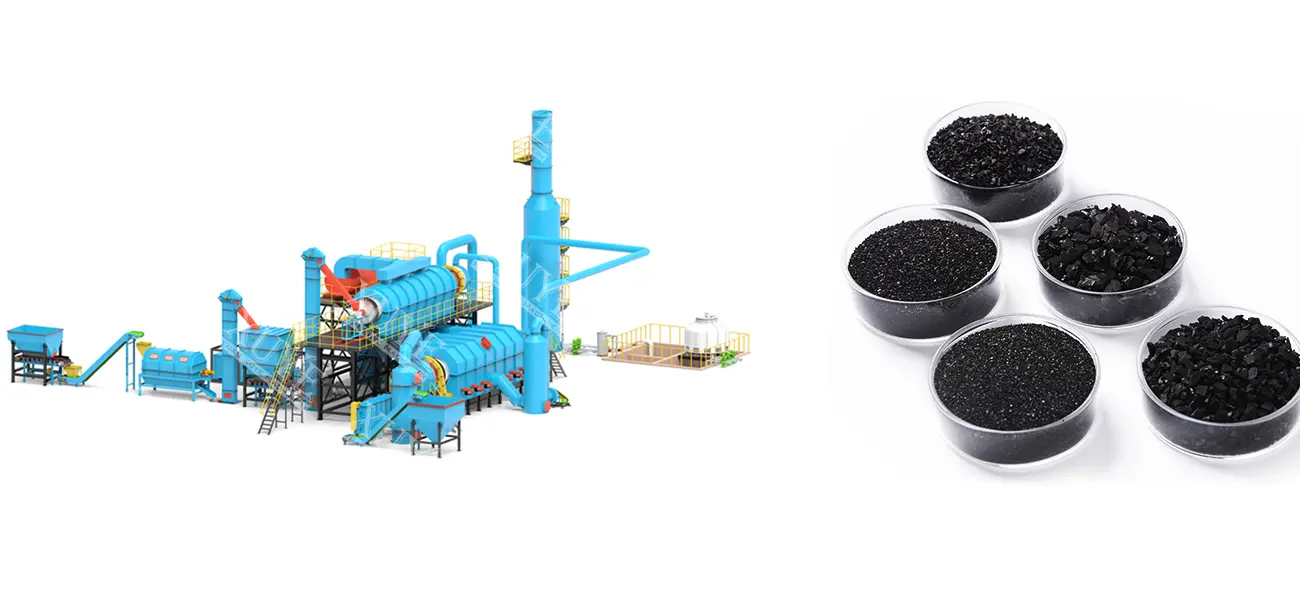
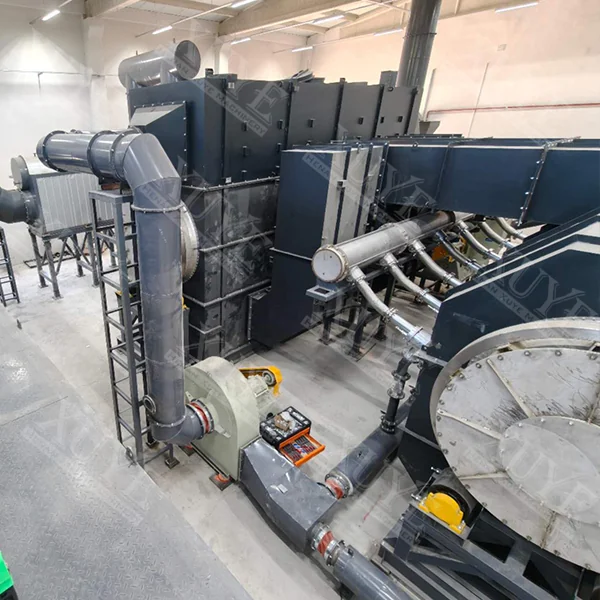
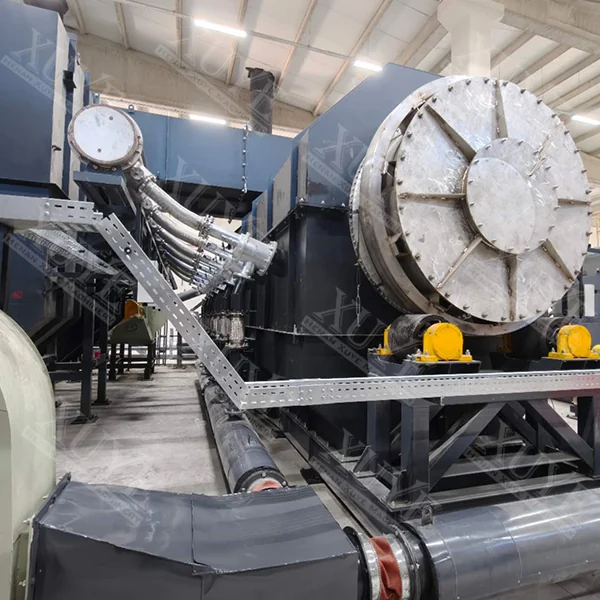
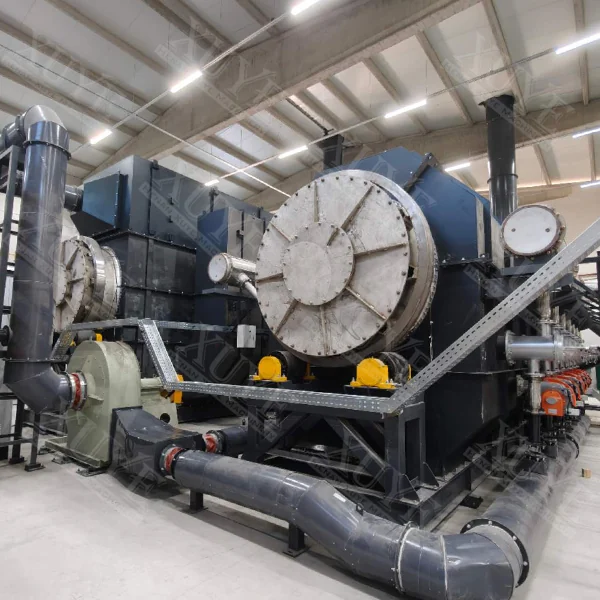
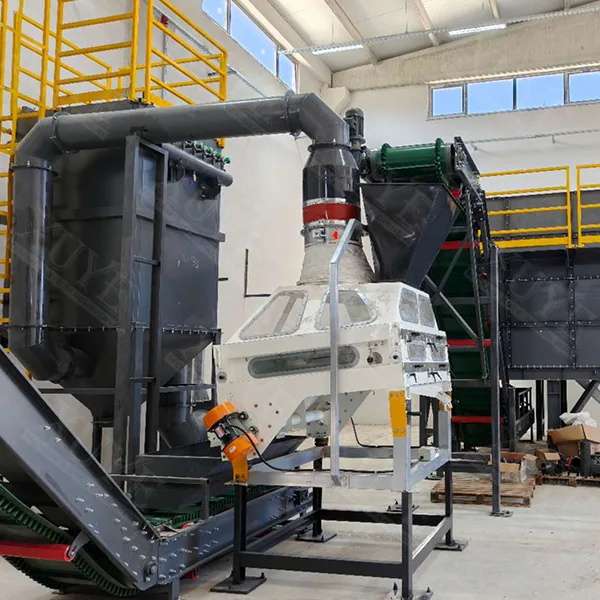
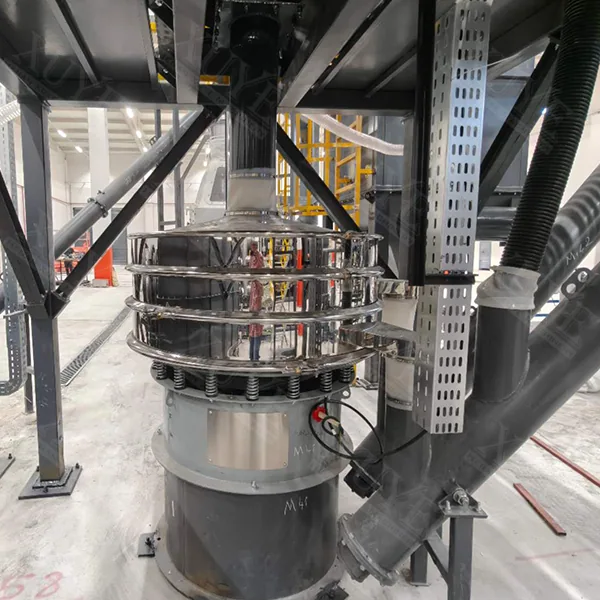
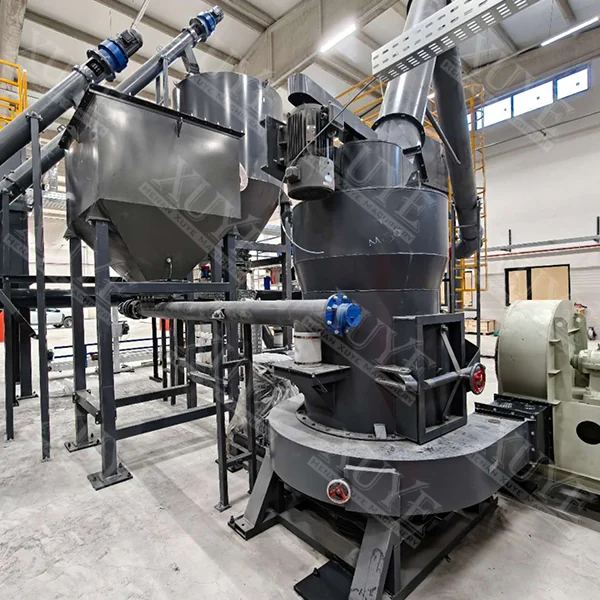
A Granular Activated Carbon Making Machine (also known as GAC production equipment or activated carbon manufacturing plant) is a specialized industrial system designed to produce granular activated carbon. Unlike powdered activated carbon, GAC is processed into defined granule sizes, making it ideal for fixed-bed adsorption systems, continuous regeneration, and large-scale filtration.
These machines perform two main processes:
Carbonization – thermal decomposition of biomass or coal in the absence of oxygen.
Activation – physical or chemical treatment to enhance porosity and surface area.
The final product is granular activated carbon with controlled particle sizes (commonly 0.5mm to 5mm), high hardness, and strong adsorption capacity.
Raw Materials for Granular Activated Carbon Production
The raw material significantly affects the properties of granular activated carbon. Common feedstocks include:
Coconut shells – high hardness, excellent microporous structure, widely used in water treatment.
Wood – produces low-density carbon with high mesopore volume.
Coal – bituminous and lignite coal are used for cost-effective large-scale production.
Bamboo – renewable and sustainable source with good adsorption capacity.
Fruit and nut shells – such as apricot, walnut, and almond shells, providing alternative biomass resources.
Working Principle of Granular Activated Carbon Making Machine
Step 1: Crushing and Drying
Raw materials are crushed into small particles and dried to reduce moisture content, ensuring efficient carbonization.
Step 2: Carbonization
In a carbonization furnace or rotary kiln, the raw materials are heated in a low-oxygen environment. Volatile compounds are removed, leaving behind a carbon-rich char.
Step 3: Activation
Two main activation methods are used:
Steam Activation: High-temperature steam reacts with carbon, creating pores.
Chemical Activation: Chemicals such as ZnCl₂ or H₃PO₄ are added before heating, developing a porous structure.
Step 4: Granulation and Screening
The activated carbon is processed into uniform granules. A screening system ensures size consistency, producing GAC suitable for industrial use.
Step 5: Cooling and Packaging
The finished granular activated carbon is cooled, stabilized, and packaged for transport.
Types of Granular Activated Carbon Making Machines
1. Batch-Type Carbonization Furnaces
Suitable for small-scale GAC production.
Lower cost, but limited productivity.
2. Continuous Carbonization Furnaces
Allows continuous feeding and discharging.
High efficiency and energy savings.
3. Rotary Kilns for GAC
Widely used in large industrial plants.
Provides uniform heating and better control of carbonization.
4. Multi-Stage Activation Systems
Combines carbonization and activation in one line.
Suitable for high-quality GAC production with precise pore control.
Structure of a Granular Activated Carbon Making Machine
A standard GAC production line includes:
Crusher & Grinder – reduces raw material particle size.
 XUYE EQUIPMENT