 XUYE EQUIPMENT
- Language Switching
Search the whole station
In a world grappling with waste management and seeking sustainable energy solutions, the charcoal making machine stands out as a revolutionary piece of technology. This equipment transforms various types of agricultural and forestry waste into valuable charcoal and renewable energy, offering a perfect blend of profitability and environmental stewardship.
Whether you’re looking to manage wood chips from a lumber mill, dispose of coconut shells from a processing plant, or handle rice husk from a mill, a charcoal making machine provides an intelligent, cost-effective answer. This ultimate guide explores how this machine can become the cornerstone of your green business.
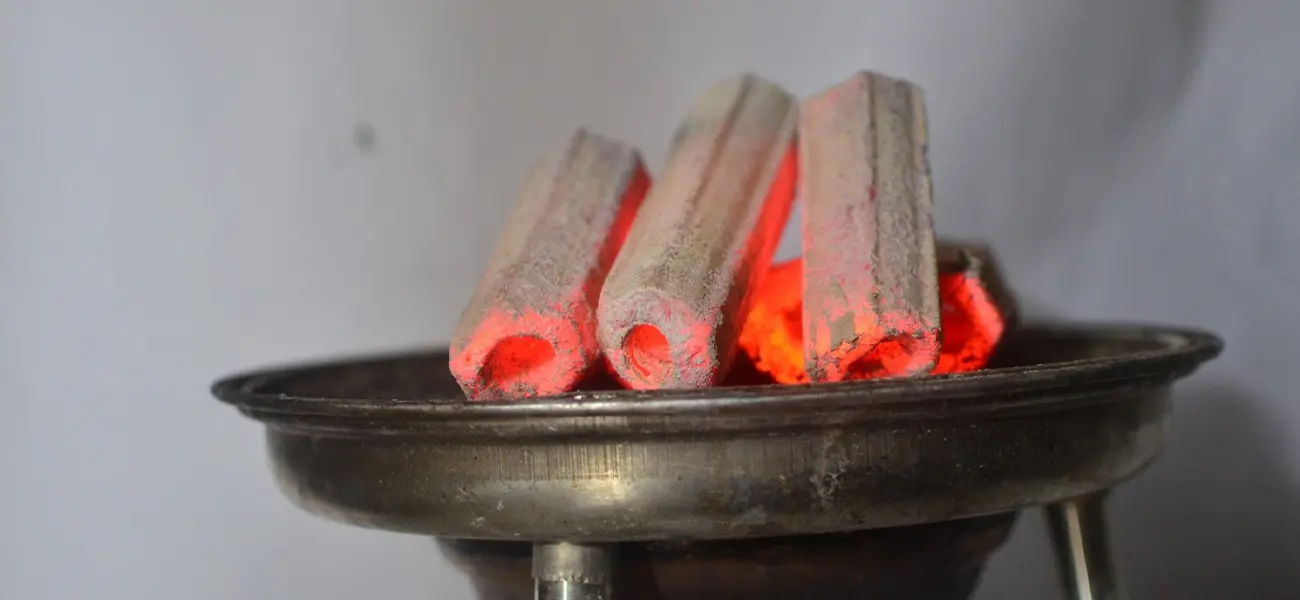
A charcoal making machine (also known as a biomass pyrolysis plant) uses the principle of oxygen-free pyrolysis to carbonize organic materials. Instead of burning, the material is heated in a sealed environment, breaking down its molecular structure to produce solid charcoal and combustible gases.
The operation is a continuous, automated process:
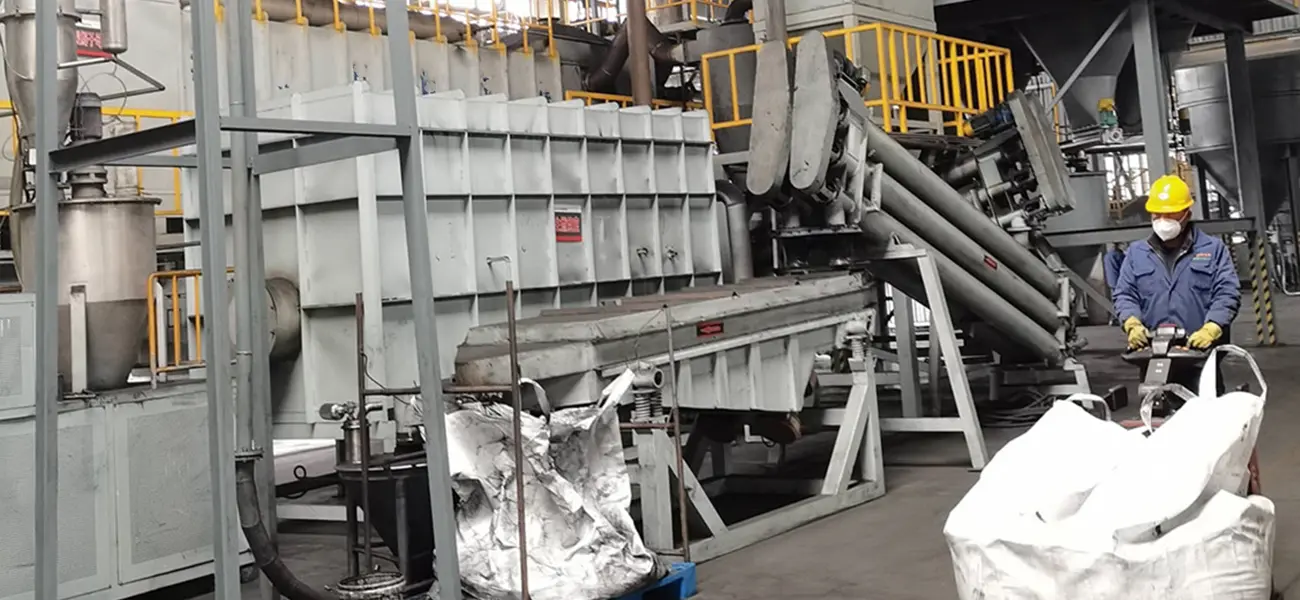
The versatility of a modern charcoal making machine is one of its biggest advantages. It can process a wide range of biomass waste, including:
This flexibility allows businesses in different regions and industries to find a profitable use for their local waste products.
Investing in a charcoal production machine is a strategic decision with multifaceted returns:
The end-products from your charcoal making machine have diverse and lucrative markets:
With various models on the market, selecting the right charcoal making plant is crucial. Consider these factors:
A charcoal making machine is more than just an equipment purchase—it’s an investment in a sustainable and profitable future. It empowers you to tackle waste problems head-on while building a resilient, revenue-generating business.
Don’t let your biomass waste go to waste. Contact us today for a free consultation and a customized quotation! Our technical experts are ready to help you find the perfect charcoal making machine for your specific needs and unlock the full potential of your raw materials.
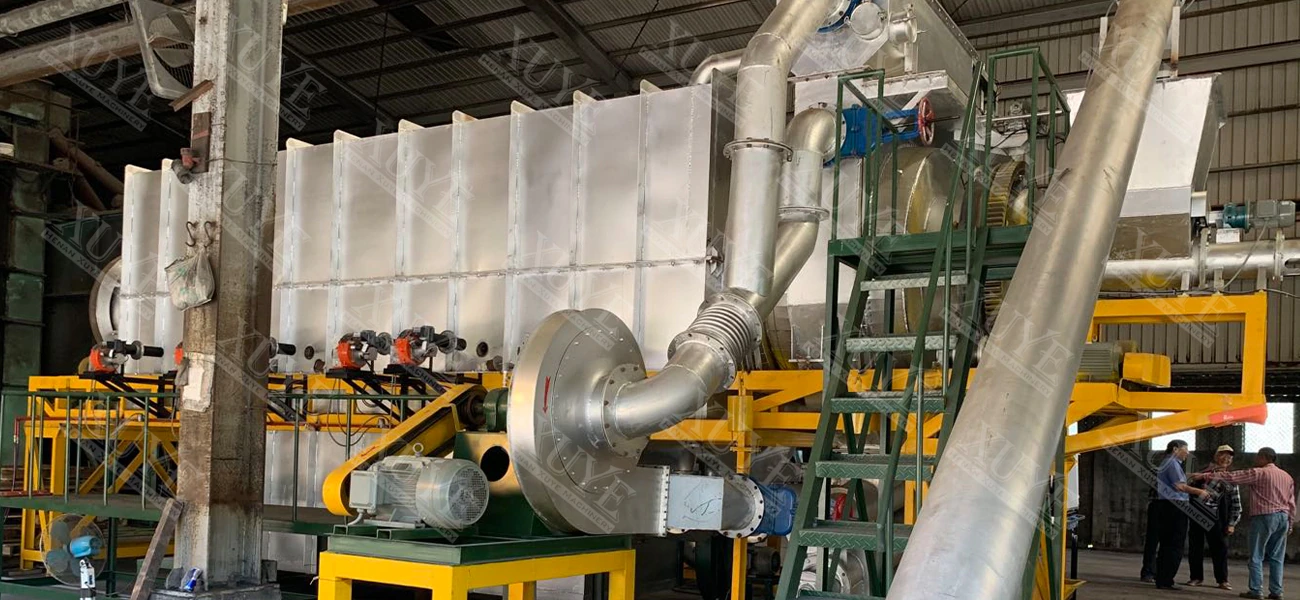
| Model | XY-800 | XY-1000 | XY-1200 | XY-1500 | XY-1800 | XY-2000 |
| Number of cylinder layers | Single | Single | Double | Double | Double | Double |
| Cylinder diameter | 800mm | 1000mm | 1200/700mm | 1500/900mm | 1800/1200mm | 2000/1500mm |
| Capacity | 200-300kg/h | 300-400kg/h | 450-600kg/h | 600-800kg/h | 800-1000kg/h | 1000-1200kg/h |
| Cylinder material | 309S/310S/316L | 309S/310S/316L | 309S/310S/316L | 309S/310S/316L | 309S/310S/316L | 309S/310S/316L |
| Temerature | 500-800ºC | 500-800ºC | 500-800ºC | 500-800ºC | 500-800ºC | 500-800ºC |
| Carbonization time | 20-60min | 20-60min | 20-60min | 20-60min | 20-60min | 20-60min |
| Raw material particle size | ≤4cm | ≤4cm | ≤4cm | ≤4cm | ≤4cm | ≤4cm |
| Heating method | indirect heating | indirect heating | indirect heating | indirect heating | indirect heating | indirect heating |
| Operation mode | continuously working | continuously working | continuously working | continuously working | continuously working | continuously working |
| Control method | PLC control | PLC control | PLC control | PLC control | PLC control | PLC control |


