 XUYE 设备


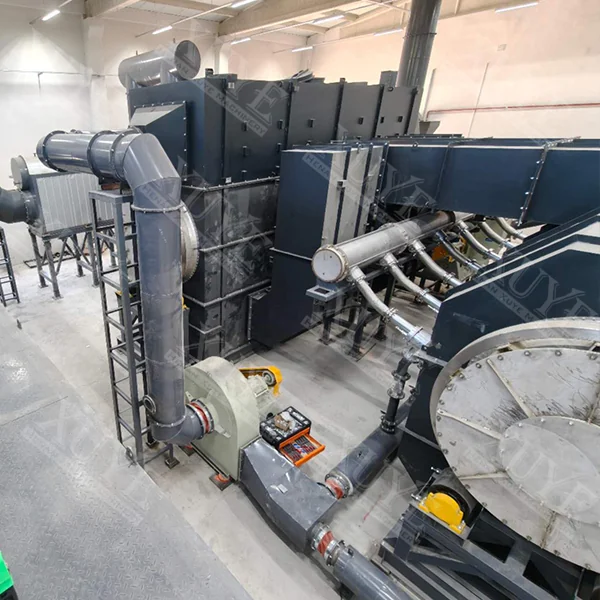
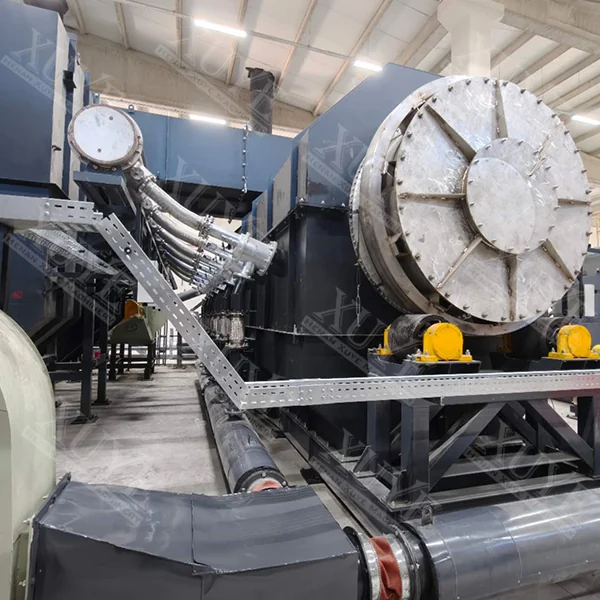
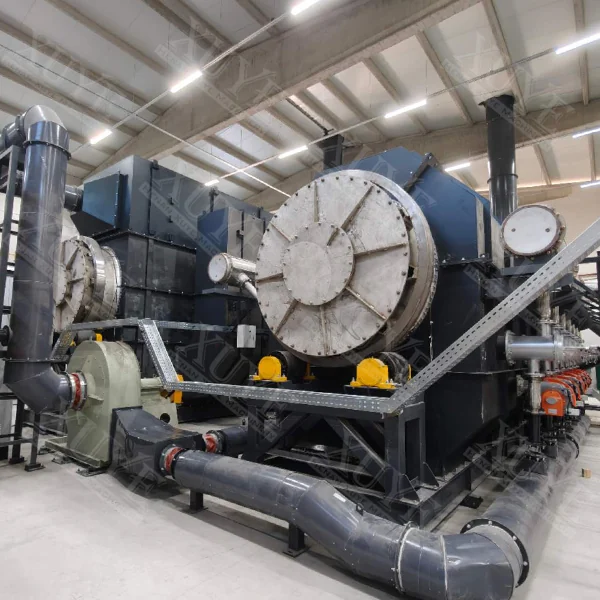
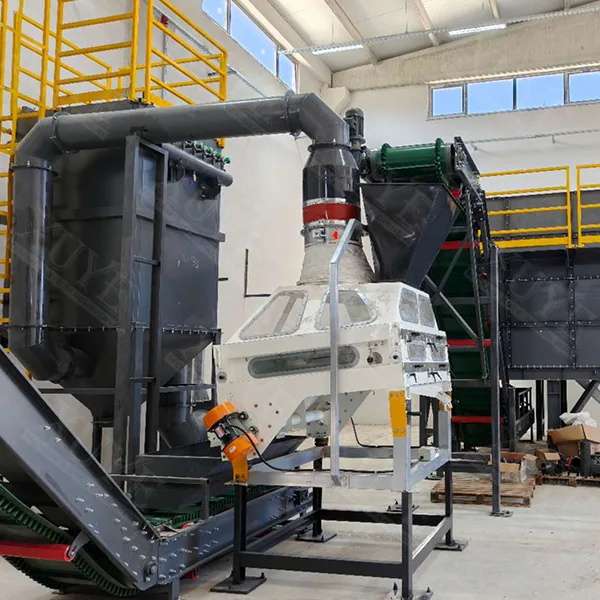
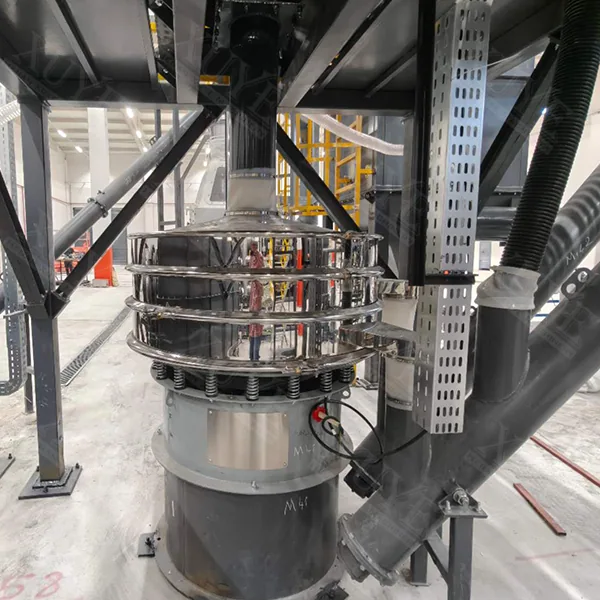
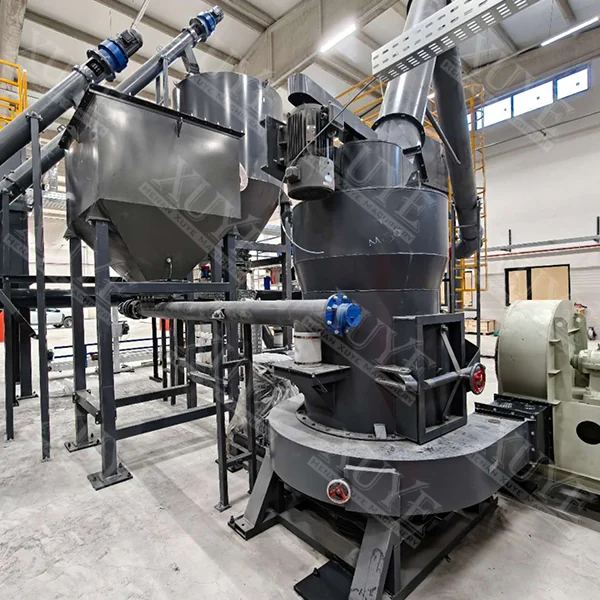
Granular activated carbon making machine
- 尺寸根据产能定制
- 原材料椰子壳、锯末、煤等
- 工作温度800°C-1100°C
- 激活方法物理方法
- 启动器水蒸气
- 自动控制系统PLC
- 加热方法External heating
Granular activated carbon making machine
A Granular Activated Carbon Making Machine (also known as GAC production equipment or activated carbon manufacturing plant) is a specialized industrial system designed to produce granular activated carbon. Unlike powdered activated carbon, GAC is processed into defined granule sizes, making it ideal for fixed-bed adsorption systems, continuous regeneration, and large-scale filtration.
These machines perform two main processes:
- Carbonization – thermal decomposition of biomass or coal in the absence of oxygen.
- Activation – physical or chemical treatment to enhance porosity and surface area.
The final product is granular activated carbon with controlled particle sizes (commonly 0.5mm to 5mm), high hardness, and strong adsorption capacity.
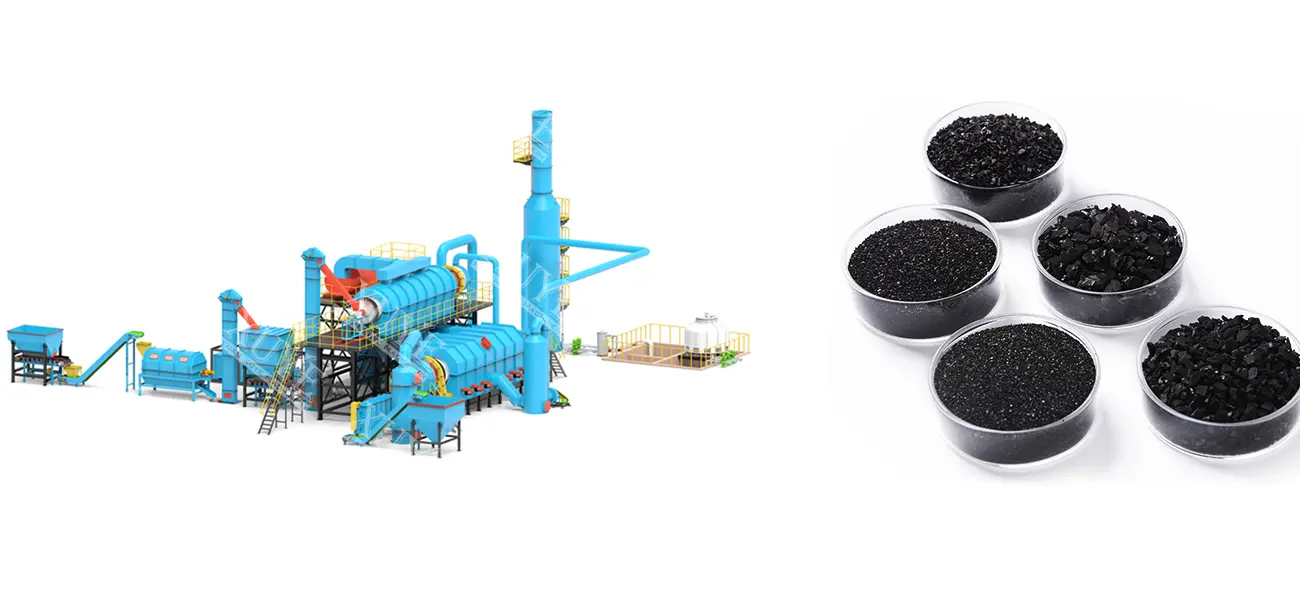
Raw Materials for Granular Activated Carbon Production
The raw material significantly affects the properties of granular activated carbon. Common feedstocks include:
- Coconut shells – high hardness, excellent microporous structure, widely used in water treatment.
- Wood – produces low-density carbon with high mesopore volume.
- Coal – bituminous and lignite coal are used for cost-effective large-scale production.
- Bamboo – renewable and sustainable source with good adsorption capacity.
- Fruit and nut shells – such as apricot, walnut, and almond shells, providing alternative biomass resources.
Working Principle of Granular Activated Carbon Making Machine
Step 1: Crushing and Drying
Raw materials are crushed into small particles and dried to reduce moisture content, ensuring efficient carbonization.
Step 2: Carbonization
In a carbonization furnace or rotary kiln, the raw materials are heated in a low-oxygen environment. Volatile compounds are removed, leaving behind a carbon-rich char.
Step 3: Activation
Two main activation methods are used:
- Steam Activation: High-temperature steam reacts with carbon, creating pores.
- Chemical Activation: Chemicals such as ZnCl₂ or H₃PO₄ are added before heating, developing a porous structure.
Step 4: Granulation and Screening
The activated carbon is processed into uniform granules. A screening system ensures size consistency, producing GAC suitable for industrial use.
Step 5: Cooling and Packaging
The finished granular activated carbon is cooled, stabilized, and packaged for transport.
Types of Granular Activated Carbon Making Machines
1. Batch-Type Carbonization Furnaces
- Suitable for small-scale GAC production.
- Lower cost, but limited productivity.
2. Continuous Carbonization Furnaces
- Allows continuous feeding and discharging.
- High efficiency and energy savings.
3. Rotary Kilns for GAC
- Widely used in large industrial plants.
- Provides uniform heating and better control of carbonization.
4. Multi-Stage Activation Systems
- Combines carbonization and activation in one line.
- Suitable for high-quality GAC production with precise pore control.
Structure of a Granular Activated Carbon Making Machine
A standard GAC production line includes:
- Crusher & Grinder – reduces raw material particle size.
- 烘干机 – lowers moisture content.
- 碳化炉 – performs thermal decomposition.
- 活化炉 – enhances pore structure.
- Cooling System – prevents oxidation of finished carbon.
- Screening & Granulation Unit – ensures consistent particle size.
- Dust Collection System – reduces emissions and meets environmental standards.
- Packaging System – for storage and shipment.
Applications of Granular Activated Carbon
- 水处理
- Municipal water purification.
- Removal of chlorine, taste, and odor.
- Industrial wastewater treatment.
- Air & Gas Purification
- VOC removal in factories.
- Household air filters.
- Industrial exhaust treatment.
- Food & Beverage Industry
- Sugar decolorization.
- Alcohol purification.
- Beverage filtration.
- Medical & Pharmaceutical Applications
- Drug formulation (detoxification, gastrointestinal treatments).
- Hemodialysis purification.
- Industrial Processes
- Gold recovery in mining.
- Catalyst carriers.
- Chemical purification.
Advantages of Granular Activated Carbon Making Machine
- High Production Efficiency – continuous processing ensures stable output.
- Energy Saving – advanced heat recovery technology reduces fuel consumption.
- 环保设计 – dust collectors and gas treatment systems minimize emissions.
- Customizable – adjustable for different raw materials and product specifications.
- 自动化 – PLC and digital control reduce manual labor costs.
- Durable and Reliable – built for long-term operation in industrial environments.
How to Choose the Right Granular Activated Carbon Making Machine
- Production Capacity Requirements – align equipment size with business goals.
- Raw Material Source – choose a machine compatible with available feedstock.
- Energy Consumption & Cost – prioritize energy-efficient models.
- 自动化水平 – depending on labor availability, select semi-automatic or fully automatic.
- Manufacturer Reputation – consider experience, technology, and after-sales support.
- Compliance – ensure equipment meets environmental and safety regulations.
Market Outlook for Granular Activated Carbon
The global granular activated carbon (GAC) market is projected to grow at a CAGR of 6–8% in the next decade, driven by:
- Environmental Regulations – stricter standards for wastewater and emissions.
- Rising Demand for Clean Water – especially in Asia-Pacific and Africa.
- Industrial Applications – in food, pharma, and mining industries.
- Sustainability Trends – growing use of biomass-derived GAC.
Key markets include the United States, China, India, Japan, and Europe, with increasing investment in water purification and air treatment projects.
Investment Benefits of GAC Production
- Strong Global Demand – water and air purification ensure stable consumption.
- High Profit Margins – low-cost raw materials converted into high-value products.
- Government Support – subsidies and policies for green technology.
- Export Potential – developing countries need cost-effective GAC imports.
- Scalable Business Model – start with small capacity, expand to industrial scale.
Granular activated carbon making machine Parameter
| 能力 | 5-8t/d | 8-10t/d | 10-12t/d | 12-15t/d | 15-20t/d |
| 烘干机型号 | HG-800 | HG-1000 | HG-1200 | HG-1500 | HG-1800 |
| 烘干机功率 | 3 千瓦 | 4 千瓦 | 7.5 千瓦 | 15 千瓦 | 22 千瓦 |
| 连续碳化炉模型 | TH-1500 | TH-1500 | TH-1800 | TH-2000 | TH-2000 |
| 碳化温度 | 600-850℃ | ||||
| 碳化后的固定碳含量 | 70-80% | ||||
| 碳化炉转鼓材料 | 309S/310S | 309S/310S | 309S/310S | 309S/310S | 309S/310S |
| 活化炉模型 | HN-5 | HN-8 | HN-10 | HN-12 | HN-15 |
| 启动炉电源 | 15 千瓦 | 22 千瓦 | 30 千瓦 | 37 千瓦 | 37 千瓦 |
| 活化炉炉膛材料 | QQ345+ 纳米隔热板+耐火材料 | ||||
| 激活温度 | 850-950℃ | ||||
| 启动器 | 水蒸气或磷酸(根据客户要求定制,设备设计将更新) | ||||
| 启动时间 | 1-2h | ||||
| 冷却机型号 | GTL-1004 | GTL-1204 | GTL-1206 | GTL-1504 | GTL-1506 |
| 冷却后的温度 | ≤40℃ | ||||
| 活性炭破碎机模型 | SGP-400 | SGP-400 | SGP-600 | SGP-800 | SGP-800 |
| 活性炭成品尺寸 | 4-60 目 | ||||
| 活性炭碘值 | 800-1300 毫克/克 | ||||
| 活性炭比表面积 | 800-1500 平方米/克 | ||||
| 活性炭强度 | ≥95 | ||||
| 反恐委员会 | ≥60% | ||||
| 填充密度 | 0.45-0.55g/cm3 | ||||
| 活性炭灰 | ≤3% | ||||
Granular activated carbon making machine Video

