Search the whole station
Biochar maker is a modern solution for sustainable energy and agriculture, designed to transform agricultural residues, forestry waste, and organic biomass into biochar through pyrolysis. Unlike traditional charcoal production, which is inefficient and polluting, a biochar making machine is engineered to produce high-quality biochar with reduced emissions and improved energy efficiency.
In today’s world, where climate change, soil degradation, and waste management challenges are pressing global concerns, the role of a biochar production machine has become increasingly important. Biochar is not only a soil enhancer but also a tool for carbon sequestration, making it a vital component of sustainable farming and renewable energy systems.
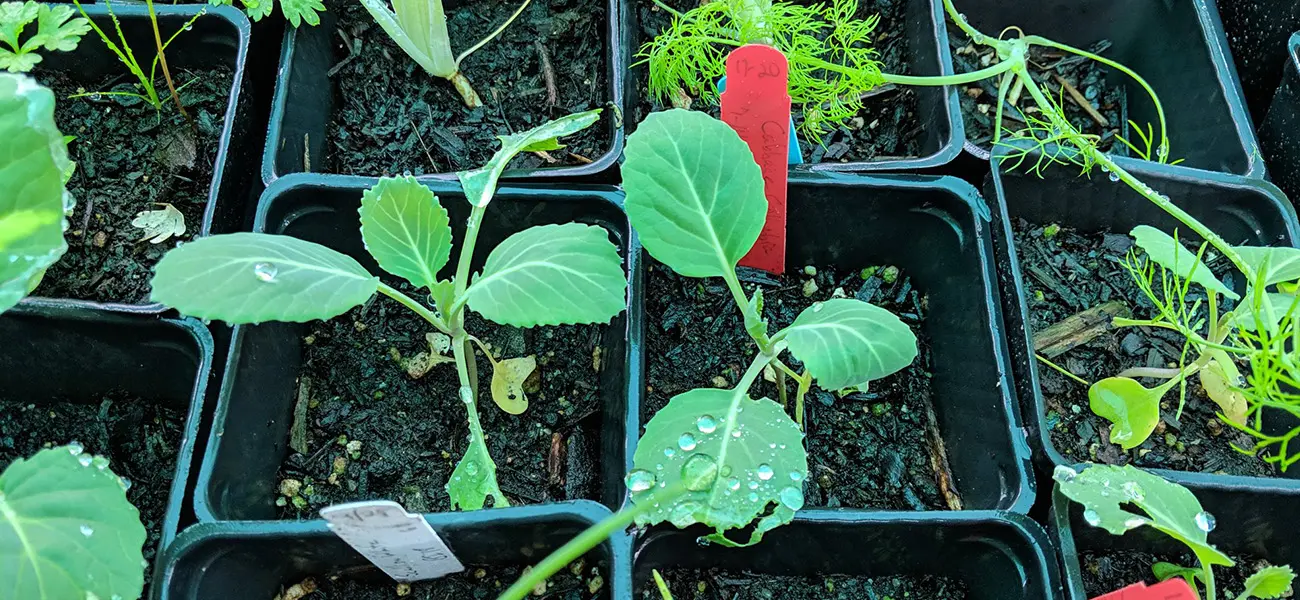
A biochar maker, also known as a biochar kiln, biochar furnace, or biochar production equipment, is a system that uses high-temperature and low-oxygen environments to carbonize biomass. The result is a stable form of carbon called biochar, which has multiple uses in agriculture, industry, and environmental protection.
While traditional kilns are labor-intensive and emit a large amount of smoke, modern biochar making machines are designed with advanced emission control, continuous feeding systems, and high conversion efficiency. They not only produce biochar but also generate renewable heat energy or syngas that can be used for cooking, drying, or power generation.
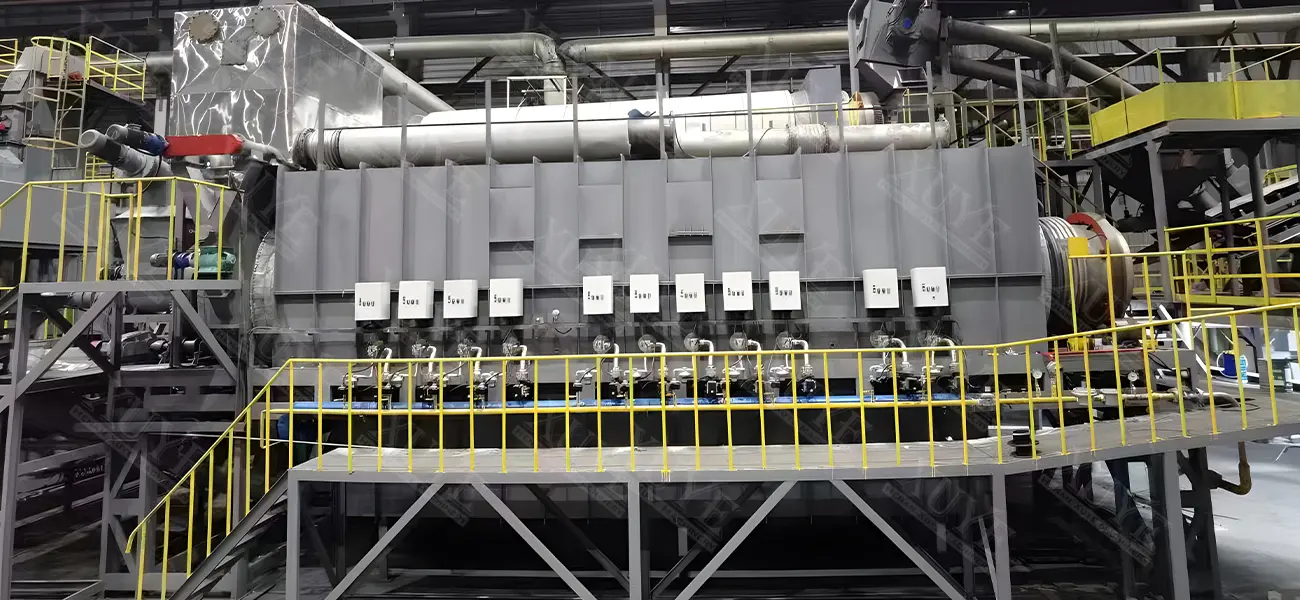
A standard biochar maker is composed of several interconnected systems:
This integrated design ensures that the biochar furnace operates efficiently, with minimal environmental impact.
The operation of a biochar production machine is based on the principle of pyrolysis:
This process ensures maximum carbon retention and clean energy utilization, making a biochar maker a carbon-negative technology.
Designed for home use, research, or small farms, these compact models allow individuals to produce biochar for gardening and soil improvement.
A mobile biochar maker is built on wheels or a skid, allowing farmers or forestry workers to transport the equipment directly to the biomass source. This reduces transportation costs and ensures flexibility in rural environments.
Traditional and low-cost, these are ideal for small communities or farmers who want to produce moderate amounts of biochar. However, batch kilns require more labor and have lower efficiency.
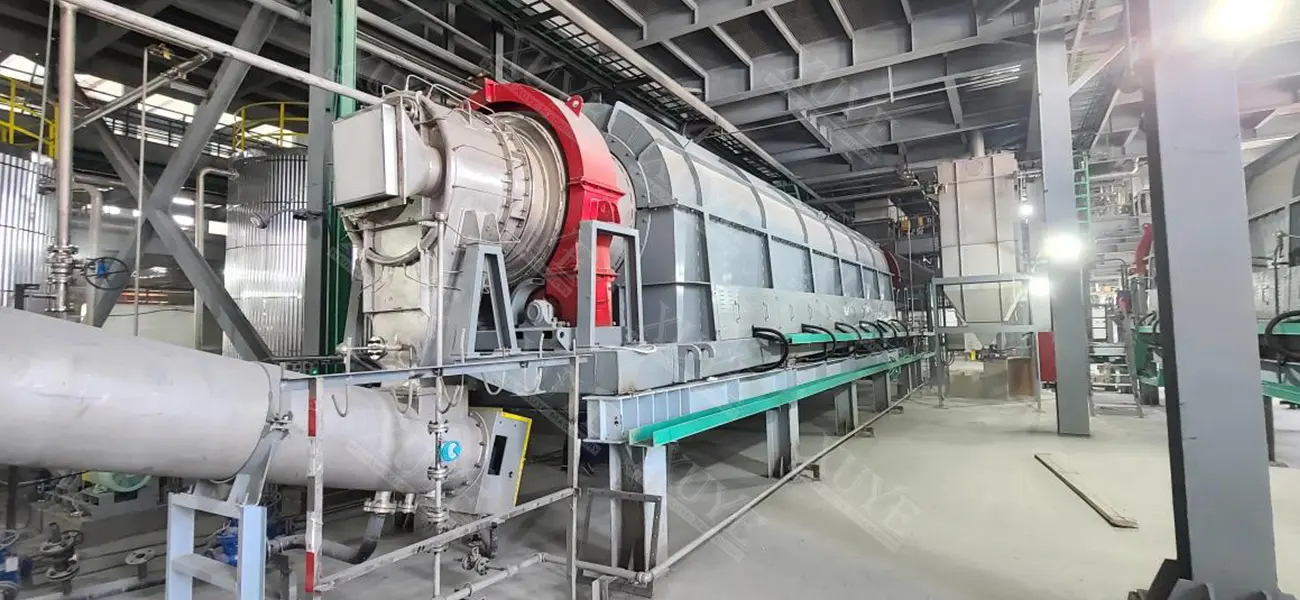
An industrial biochar making machine designed for large-scale production. A continuous biochar maker can operate 24/7, handling tons of biomass per day. It is suitable for commercial projects, biochar businesses, and government-backed carbon reduction programs.
Biochar is widely used as a soil amendment to improve nutrient retention and crop productivity.
Wood waste can be converted into biochar, reducing deforestation and open burning.
Adding biochar to animal feed improves digestion, reduces methane emissions, and minimizes odor in manure.
Biochar’s porous structure makes it an effective natural filter for removing pollutants from water.
Processed biochar can be further activated to produce activated carbon, which is used in air purification, chemical processing, and energy storage.
| Model | XY-800 | XY-1000 | XY-1200 | XY-1500 | XY-1800 | XY-2000 |
| Number of cylinder layers | Single | Single | Double | Double | Double | Double |
| Cylinder diameter | 800mm | 1000mm | 1200/700mm | 1500/900mm | 1800/1200mm | 2000/1500mm |
| Capacity | 200-300kg/h | 300-400kg/h | 450-600kg/h | 600-800kg/h | 800-1000kg/h | 1000-1200kg/h |
| Cylinder material | 309S/310S/316L | 309S/310S/316L | 309S/310S/316L | 309S/310S/316L | 309S/310S/316L | 309S/310S/316L |
| Temerature | 500-800ºC | 500-800ºC | 500-800ºC | 500-800ºC | 500-800ºC | 500-800ºC |
| Carbonization time | 20-60min | 20-60min | 20-60min | 20-60min | 20-60min | 20-60min |
| Raw material particle size | ≤4cm | ≤4cm | ≤4cm | ≤4cm | ≤4cm | ≤4cm |
| Heating method | indirect heating | indirect heating | indirect heating | indirect heating | indirect heating | indirect heating |
| Operation mode | continuously working | continuously working | continuously working | continuously working | continuously working | continuously working |
| Control method | PLC control | PLC control | PLC control | PLC control | PLC control | PLC control |

 XUYE EQUIPMENT


