Search the whole station
Activated carbon production is based on the pyrolysis and activation of carbonaceous materials. Its primary raw materials include coal (such as anthracite, bituminous coal, and lignite), wood, fruit shells (such as coconut shells, apricot shells, and walnut shells), and petroleum coke. These raw materials are treated at high temperatures to form carbonaceous materials with a well-developed porous structure and a specific surface area of 500-3000 m2/g or even higher.
The activated carbon production process primarily involves raw material preparation, carbonization, activation, and post-processing. Activation is categorized into chemical activation (e.g., zinc chloride, phosphoric acid, potassium hydroxide) and gas activation (e.g., steam, carbon dioxide).
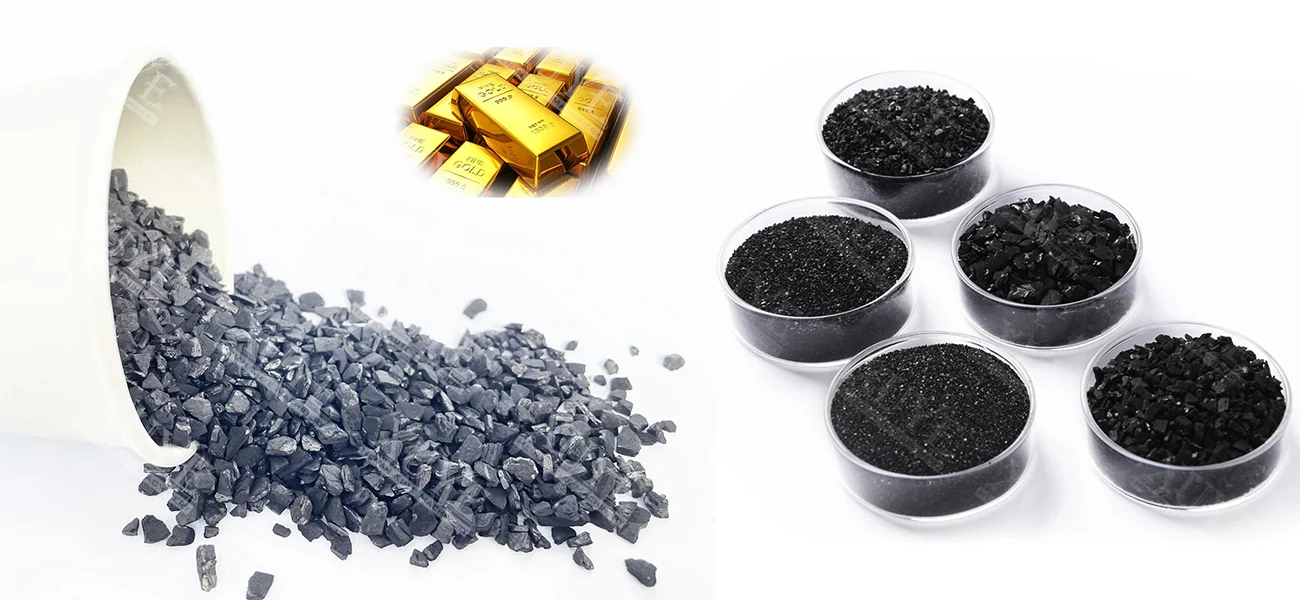
Degassing the raw coal powder increases its bulk density, improves the production capacity of briquetting, and enhances the strength of the resulting briquette. However, it should be noted that excessively high briquetting pressure can actually reduce briquette strength.
Externally heated carbonization furnaces are considered the most advanced and ideal carbonization equipment for producing briquette activated carbon, offering high production capacity, high yield, and superior product quality. This type of equipment uses indirect heating, which avoids flue gas contamination and improves carbonization efficiency.
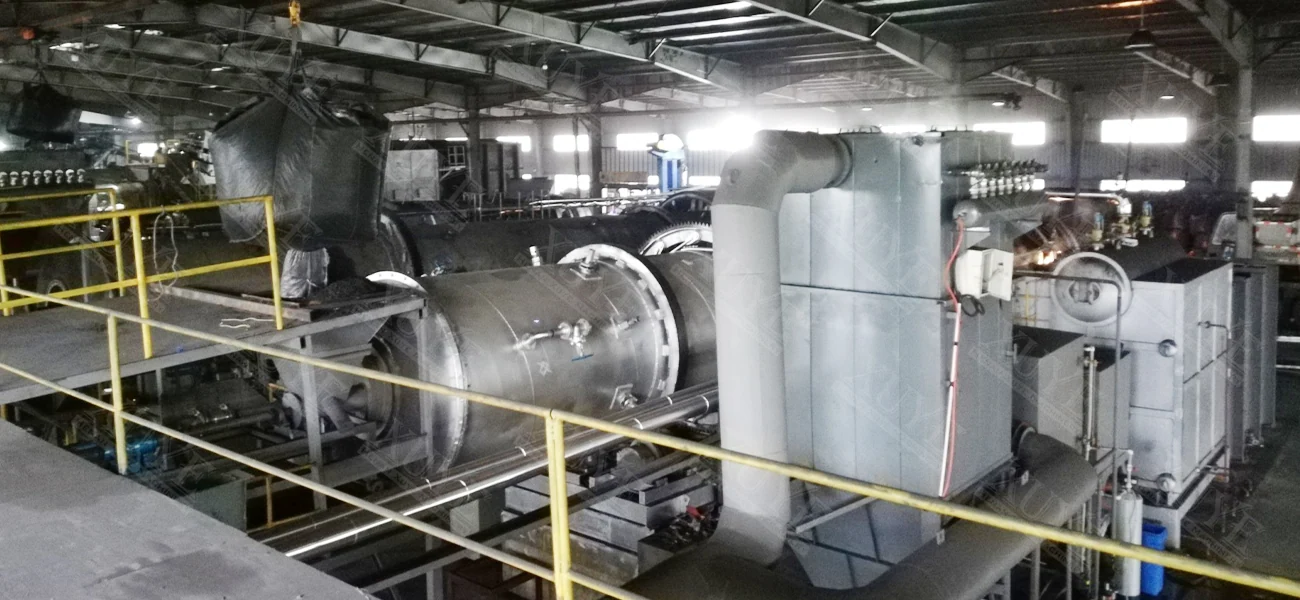
The use of an automated control system allows all operating steps to be displayed on a computer terminal, allowing easy operation of the equipment via computer control, streamlining the process and reducing operating costs.
The externally heated carbonization furnace and multi-chamber furnace are the most advanced and ideal equipment combination for briquetting activated carbon production, capable of producing high-quality products with well-developed pores.
Physically, the phosphoric acid activation method involves mixing finely ground raw materials with a phosphoric acid solution. The mixture is then dried and heated in a rotary kiln to 400-600°C. Some processes are carried out at higher temperatures (1100°C).
The activated carbon production process requires careful consideration of environmental protection and energy consumption. Traditional pit-burning charcoal burning releases significant amounts of greenhouse gases (such as methane) and various volatile organic compounds.
For example, in Sri Lanka, approximately 130,000 tons of methane and other gases/vapors were released into the atmosphere during the production of 55,000 tons of charcoal using pit charcoal burning in 2007.
New environmentally friendly production technologies, such as the Recogen process, use specially designed reactors to carbonize coconut shells, collect the resulting gases, and burn them to generate steam and electricity. This process not only reduces environmental pollution but also achieves self-sufficiency and generates additional revenue through carbon credit trading.
Chinese companies have also made significant progress in environmentally friendly activated carbon production. For example, Shaanxi Fenglin Biotechnology Company, through technological upgrades, has increased production efficiency by 20% and reduced energy consumption by 30%, meeting international energy standards. The company has also established a complete industrial chain covering “agricultural solid waste – industrial production – environmental protection services – cultural tourism economy,” achieving resource recycling.
With increasing environmental protection requirements and the needs of industrial development, the market demand for activated carbon continues to grow. The development of activated carbon production lines shows the following trends:
Larger Scale: Production lines are continuously expanding to improve production efficiency and reduce unit product costs. For example, China’s largest briquette activated carbon production line is now successfully operating.
Technology Integration: Combining different activation methods and equipment to produce products with specialized pore distributions. For example, further steam activation of chemically activated carbon can produce products with unique pore distributions.
Raw Material Diversification: Developing production processes suitable for different raw materials (such as coal, wood, fruit shells, petroleum coke, biomass, etc.) to broaden raw material sources.
High-end Products: Developing high-value-added activated carbon products, such as super activated carbon (specific surface area ≥ 2000 m²/g), catalytic activated carbon, and impregnated activated carbon, to meet specialized application needs.
Green Production: Reducing energy consumption and pollutant emissions through technological innovation, waste heat utilization, and the application of environmental protection technologies, thereby achieving green production.
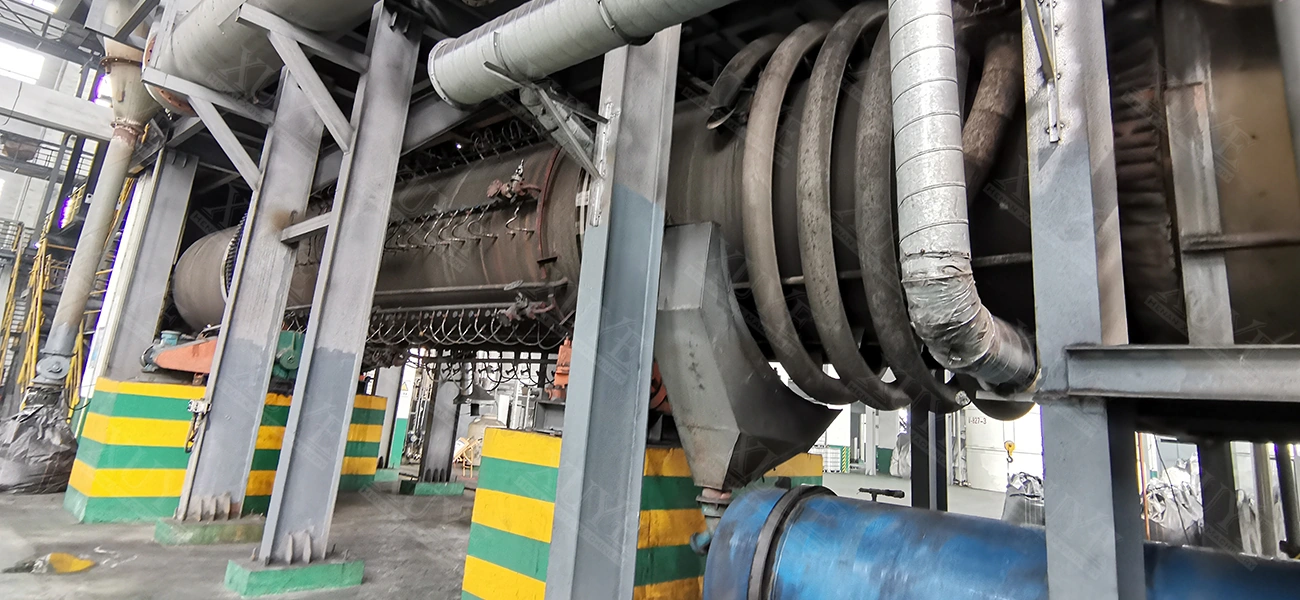
| Item | Model | Capacity | Size |
| Rotary activationFurnace(internal heat type) | Φ1.5m×12m | 1-2t/d | 16000*2300*4000mm |
| Φ1.5m×15m | 2-3t/d | 20000*2700*4500mm | |
| Φ2.0m×18m | 4-5t/d | 22000*3000*4500mm | |
| Φ2.6m×20m | 5-8t/d | 26000*3600*5000mm |

 XUYE EQUIPMENT


